AKINENERSTON COLLECTION COMPANION
Every stone.
A little discovery.
Meet the colours, textures and science behind your collection. Find a number from your card, or explore by name.
Explore 70 specimens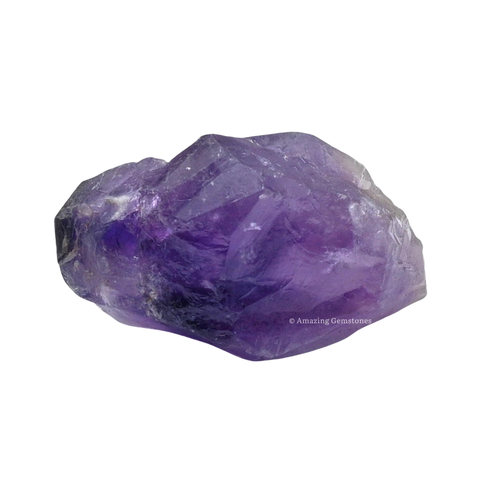 02 Amethyst
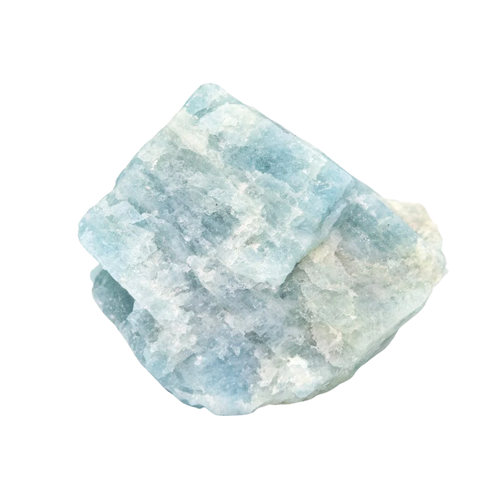 45 Aquamarine
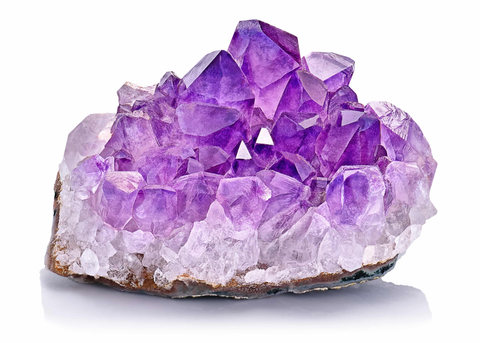 61 Amethyst Cluster
Reference specimens · Individual pieces vary
Your set is a random selection. This guide covers possible varieties; not every pictured specimen is included.
THE SPECIMEN INDEX
Find your stone
01
Green Aventurine
Quartz-rich material
Green Aventurine
Quartz-rich material

SPECIMEN 01 / Quartz-rich material
Green Aventurine
Fine mineral inclusions give this green quartz-rich material its speckled, sometimes sparkling appearance.
- Composition
- SiO₂
- Hardness · Mohs
- 7
- Reported reference locality
- India
Localities are reference information, not verified provenance for your individual piece.
Read the reference
Handbook of Mineralogy · QuartzA visual comparison guide, not a laboratory identification.
02
Amethyst
Quartz variety
Amethyst
Quartz variety

SPECIMEN 02 / Quartz variety
Amethyst
Amethyst is purple quartz. Look for colour zoning: lighter and darker areas can occur within the same piece.
- Composition
- SiO₂
- Hardness · Mohs
- 7
- Reported reference locality
- Brazil
Localities are reference information, not verified provenance for your individual piece.
A visual comparison guide, not a laboratory identification.
03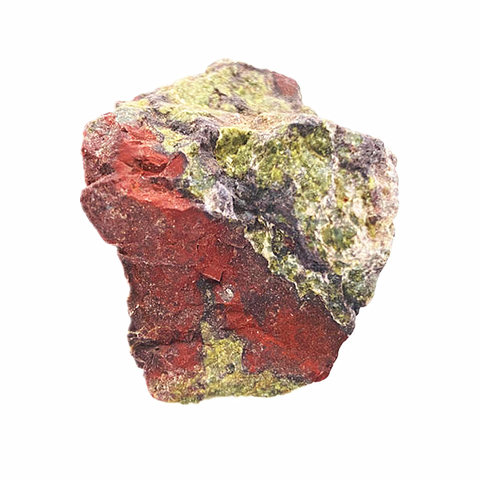
Dragon Blood Stone
Trade-name rock
Dragon Blood Stone
Trade-name rock
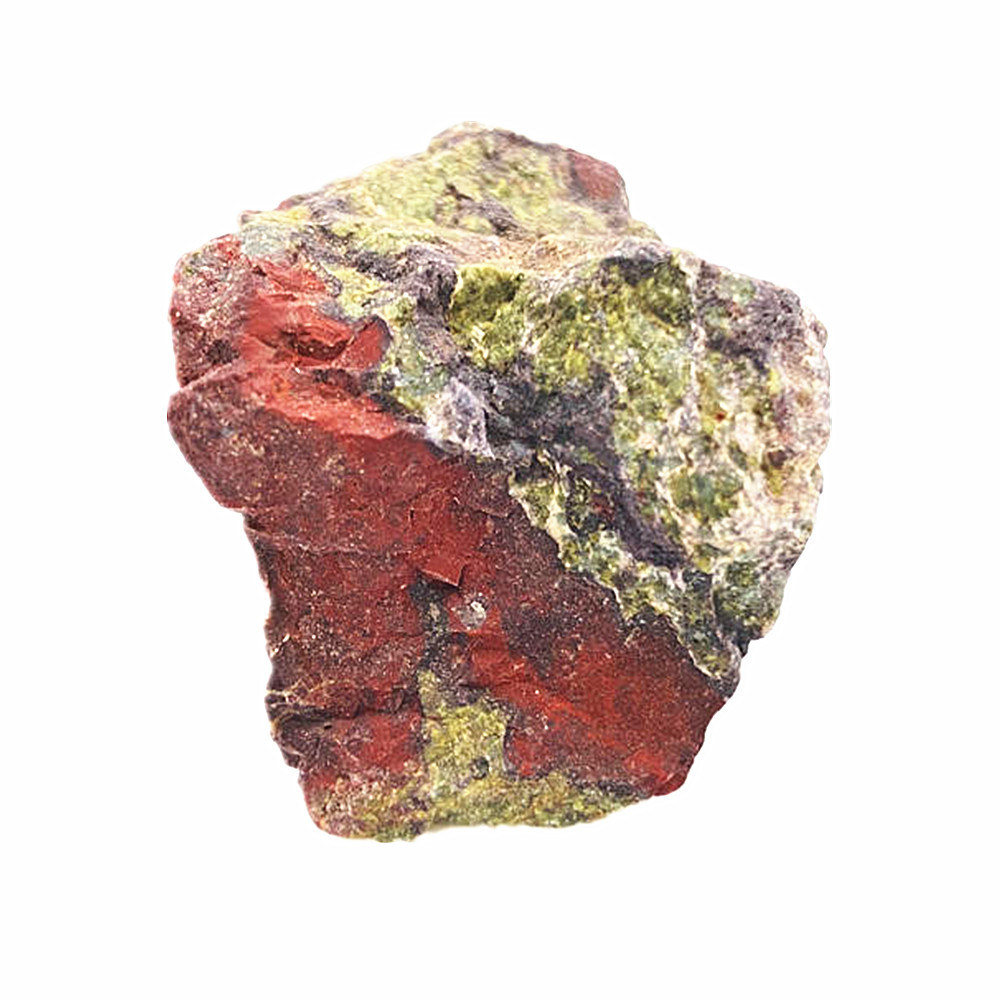
SPECIMEN 03 / Trade-name rock
Dragon Blood Stone
A trade name used for green-and-red ornamental stone. Colour alone does not establish which minerals make up a particular piece.
- Composition
- Variable mineral mixture
- Hardness · Mohs
- Varies
- Reported reference locality
- Australia
Localities are reference information, not verified provenance for your individual piece.
Trade labels can cover different materials. The photo and name alone cannot confirm mineral identity, composition or treatment.
Read the reference
Handbook of Mineralogy · EpidoteA visual comparison guide, not a laboratory identification.
04
Lapis Lazuli
Rock / mineral aggregate
Lapis Lazuli
Rock / mineral aggregate

SPECIMEN 04 / Rock / mineral aggregate
Lapis Lazuli
Lapis lazuli is a rock, not a single mineral. Its blue colour may be interrupted by white calcite and small golden pyrite flecks.
- Composition
- Lazurite, calcite, pyrite and other minerals
- Hardness · Mohs
- 5–6
- Reported reference locality
- Afghanistan
Localities are reference information, not verified provenance for your individual piece.
Read the reference
GIA · LapisA visual comparison guide, not a laboratory identification.
05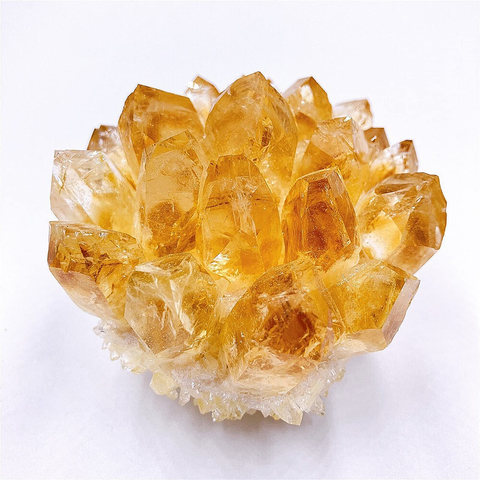
Citrine
Quartz variety
Citrine
Quartz variety

SPECIMEN 05 / Quartz variety
Citrine
Citrine is yellow to orange quartz. Much commercial citrine is heat-treated amethyst; appearance alone cannot confirm whether a piece is untreated.
- Composition
- SiO₂
- Hardness · Mohs
- 7
- Reported reference locality
- Brazil
Localities are reference information, not verified provenance for your individual piece.
Treatment status of the supplied batch has not been confirmed. Heat-treated material must not be described as untreated.
A visual comparison guide, not a laboratory identification.
06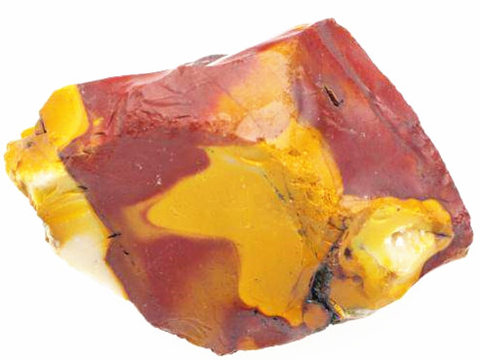
Mookaite Jasper
Quartz-rich rock
Mookaite Jasper
Quartz-rich rock
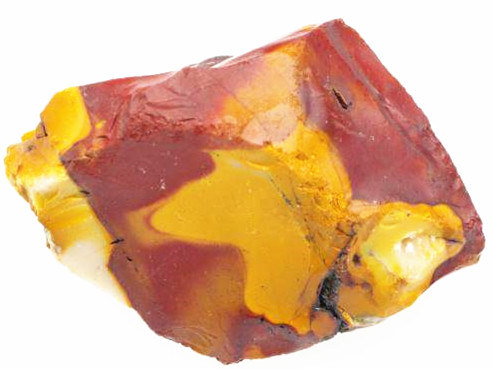
SPECIMEN 06 / Quartz-rich rock
Mookaite Jasper
Mookaite is an ornamental name for colourful silica-rich stone. The reference piece shows warm yellow, cream and red tones.
- Composition
- Mainly SiO₂
- Hardness · Mohs
- About 7
- Reported reference locality
- Australia
Localities are reference information, not verified provenance for your individual piece.
Read the reference
Handbook of Mineralogy · QuartzA visual comparison guide, not a laboratory identification.
07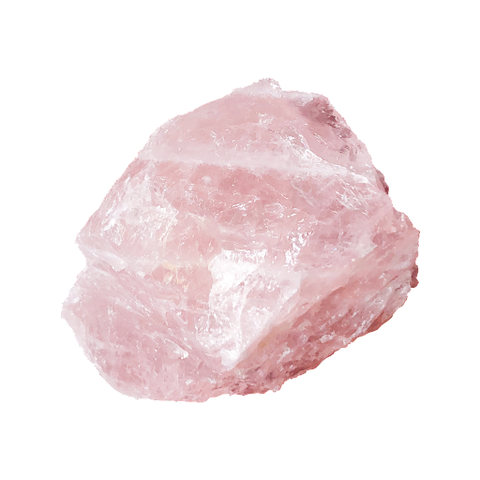
Rose Quartz
Quartz variety
Rose Quartz
Quartz variety
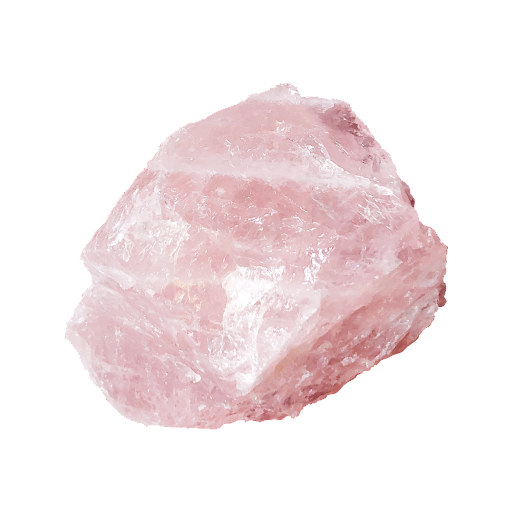
SPECIMEN 07 / Quartz variety
Rose Quartz
Rose quartz is the pink variety of quartz. Many pieces are translucent and cloudy rather than perfectly clear.
- Composition
- SiO₂
- Hardness · Mohs
- 7
- Reported reference locality
- Madagascar
Localities are reference information, not verified provenance for your individual piece.
A visual comparison guide, not a laboratory identification.
08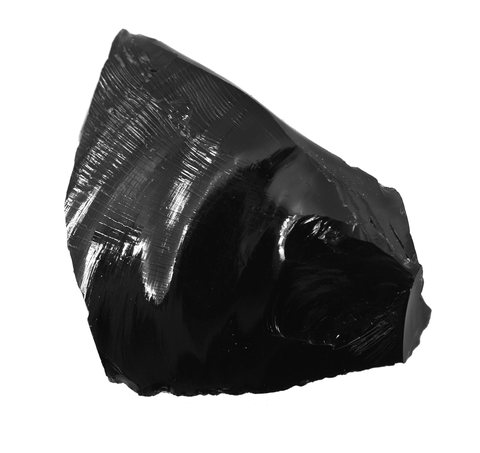
Obsidian
Volcanic glass
Obsidian
Volcanic glass

SPECIMEN 08 / Volcanic glass
Obsidian
Obsidian forms when lava cools into natural glass. Fresh breaks can have curved, shell-like surfaces and sharp edges.
- Composition
- Silica-rich glass; variable composition
- Hardness · Mohs
- About 5–5.5
- Reported reference locality
- Mexico
Localities are reference information, not verified provenance for your individual piece.
Read the reference
USGS · Rock identificationA visual comparison guide, not a laboratory identification.
09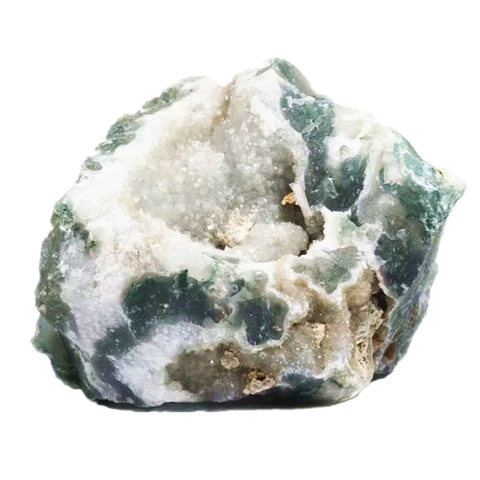
Moss Agate
Chalcedony variety
Moss Agate
Chalcedony variety
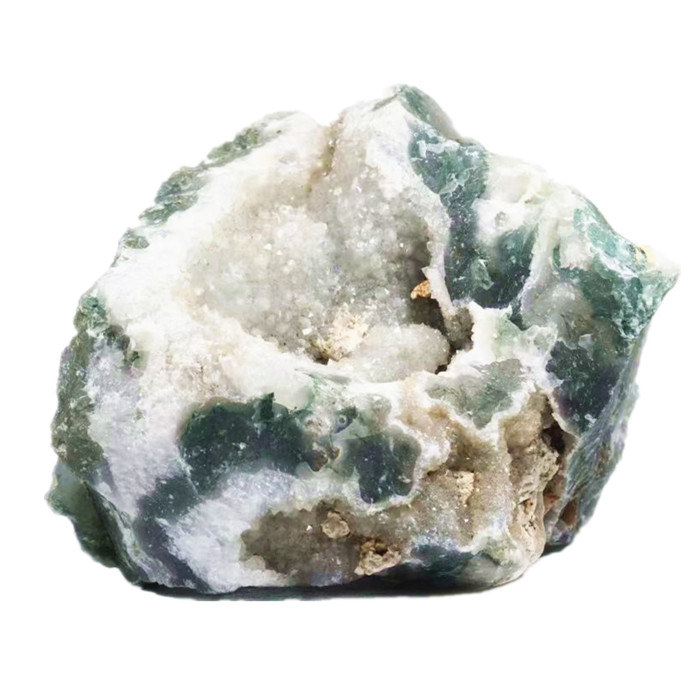
SPECIMEN 09 / Chalcedony variety
Moss Agate
Moss agate contains branching mineral inclusions that can resemble moss. These patterns are minerals, not preserved plants.
- Composition
- Mainly SiO₂, with mineral inclusions
- Hardness · Mohs
- 6.5–7
- Reported reference locality
- India
Localities are reference information, not verified provenance for your individual piece.
Read the reference
Handbook of Mineralogy · QuartzA visual comparison guide, not a laboratory identification.
10
Unakite
Rock / mineral aggregate
Unakite
Rock / mineral aggregate

SPECIMEN 10 / Rock / mineral aggregate
Unakite
Unakite combines contrasting mineral grains, commonly green epidote, pink feldspar and quartz. Its mottled pattern differs from piece to piece.
- Composition
- Feldspar, epidote and quartz
- Hardness · Mohs
- Varies by component
- Reported reference locality
- USA
Localities are reference information, not verified provenance for your individual piece.
Read the reference
Handbook of Mineralogy · EpidoteA visual comparison guide, not a laboratory identification.
11
Clear Quartz
Quartz variety
Clear Quartz
Quartz variety
SPECIMEN 11 / Quartz variety
Clear Quartz
Clear quartz is colourless quartz. A specimen may be transparent or contain cloudy areas, internal fractures and inclusions.
- Composition
- SiO₂
- Hardness · Mohs
- 7
- Documented mineral localities (examples)
- Austria, France, Italy, Switzerland, Brazil
Localities are reference information, not verified provenance for your individual piece.
Read the reference
Handbook of Mineralogy · QuartzA visual comparison guide, not a laboratory identification.
12
Sodalite
Silicate mineral
Sodalite
Silicate mineral

SPECIMEN 12 / Silicate mineral
Sodalite
Sodalite is commonly blue, with white mineral patches or veins in ornamental specimens. Blue colour alone does not distinguish it from every similar stone.
- Composition
- Na₈Al₆Si₆O₂₄Cl₂
- Hardness · Mohs
- 5.5–6
- Documented mineral localities (examples)
- Norway, Italy, Canada, USA, Russia
Localities are reference information, not verified provenance for your individual piece.
Read the reference
Handbook of Mineralogy · SodaliteA visual comparison guide, not a laboratory identification.
13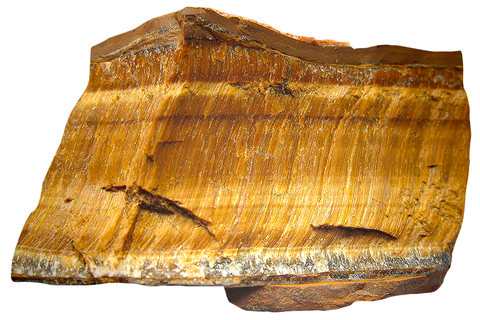
Tiger's Eye
Quartz-rich material
Tiger's Eye
Quartz-rich material
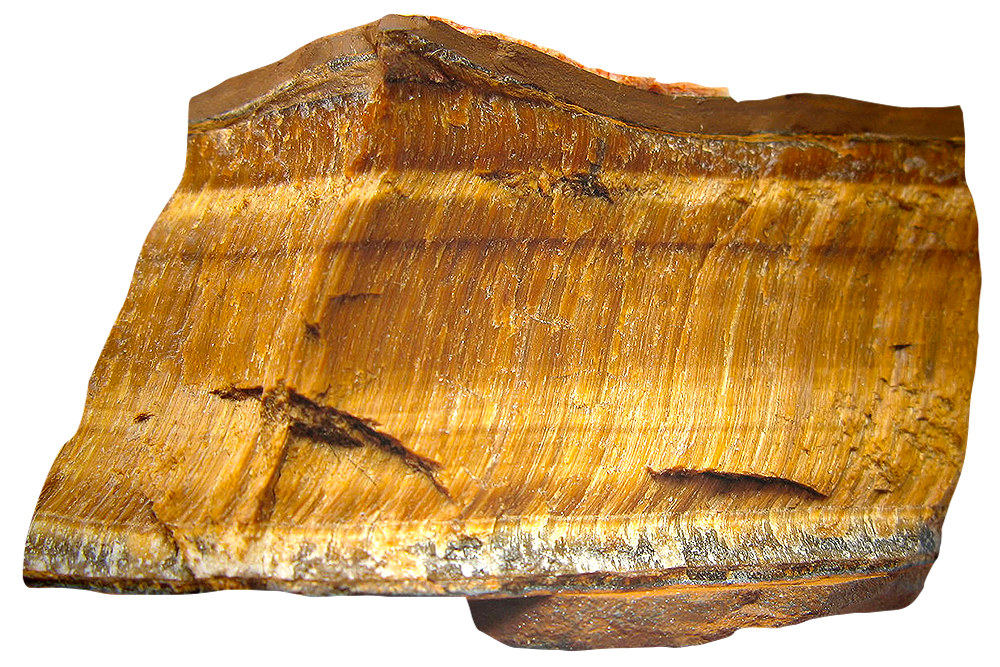
SPECIMEN 13 / Quartz-rich material
Tiger's Eye
Tiger’s eye is known for a shifting band of reflected light, called chatoyancy. This effect is usually clearer on a smooth surface than on rough material.
- Composition
- Mainly SiO₂
- Hardness · Mohs
- 7
- Reported reference locality
- China
Localities are reference information, not verified provenance for your individual piece.
A visual comparison guide, not a laboratory identification.
14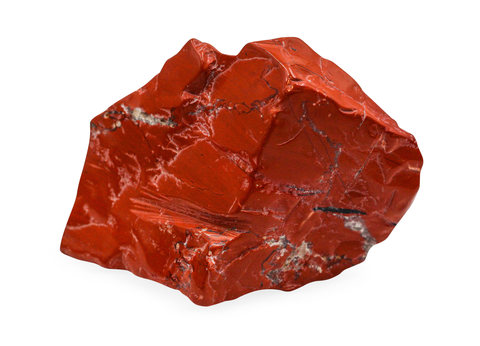
Red Jasper
Quartz-rich rock
Red Jasper
Quartz-rich rock

SPECIMEN 14 / Quartz-rich rock
Red Jasper
Red jasper is an opaque, fine-grained silica-rich material. Its red body colour may include pale veins or differently coloured patches.
- Composition
- Mainly SiO₂
- Hardness · Mohs
- About 7
- Reported reference locality
- Brazil
Localities are reference information, not verified provenance for your individual piece.
Read the reference
Handbook of Mineralogy · QuartzA visual comparison guide, not a laboratory identification.
15
Peach Moonstone
Feldspar variety
Peach Moonstone
Feldspar variety
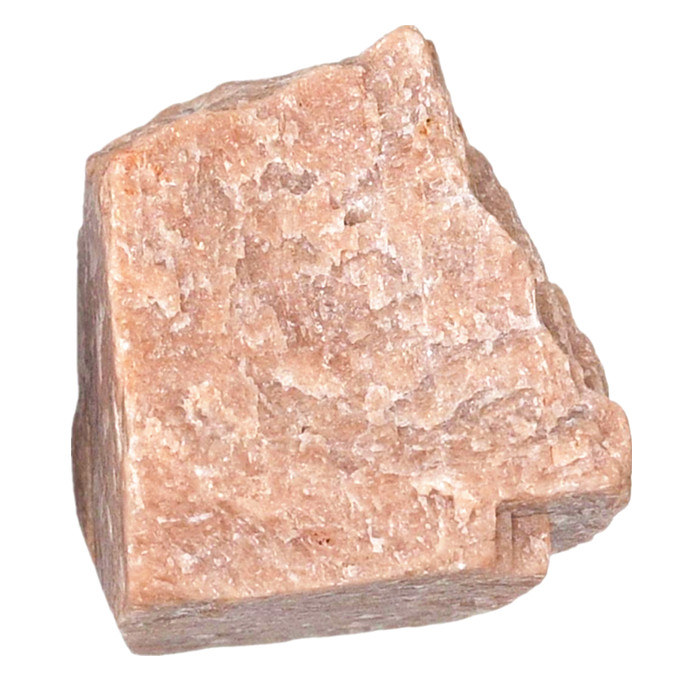
SPECIMEN 15 / Feldspar variety
Peach Moonstone
Peach moonstone is a colour name for peach-toned feldspar. Some pieces show a soft floating sheen when the viewing angle changes.
- Composition
- KAlSi₃O₈; feldspar composition can vary
- Hardness · Mohs
- 6–6.5
- Reported reference locality
- Madagascar
Localities are reference information, not verified provenance for your individual piece.
Read the reference
GIA · MoonstoneA visual comparison guide, not a laboratory identification.
16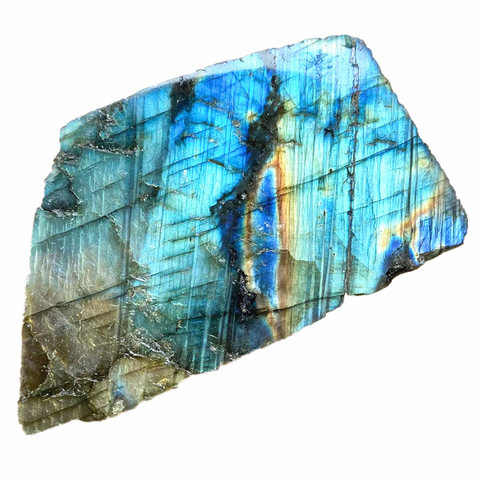
Labradorite
Plagioclase feldspar
Labradorite
Plagioclase feldspar
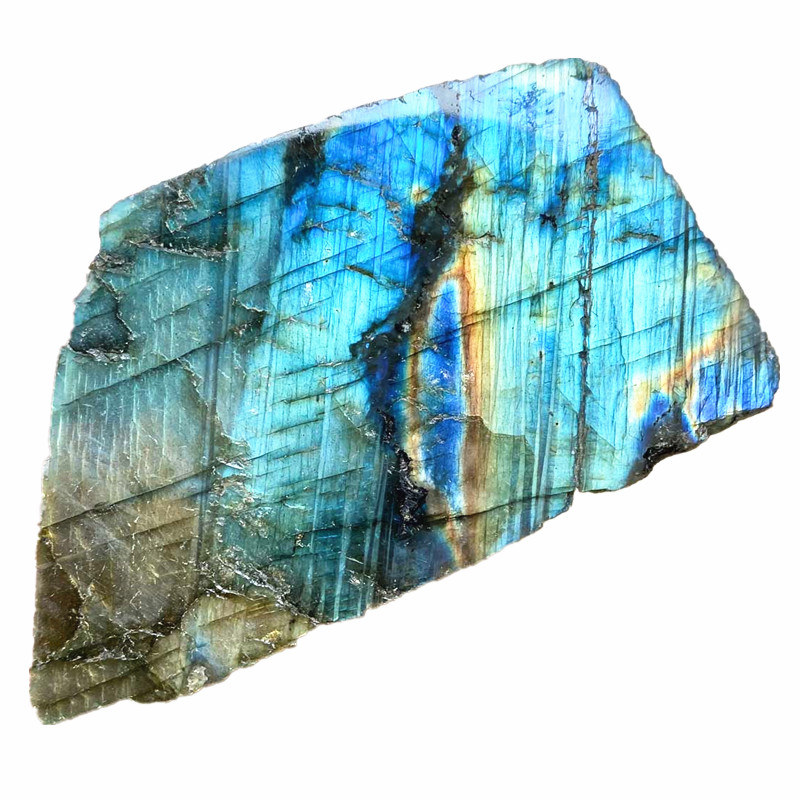
SPECIMEN 16 / Plagioclase feldspar
Labradorite
Labradorite can show flashes of colour called labradorescence. The flash depends on the angle of light and may be subtle on rough pieces.
- Composition
- Solid solution between NaAlSi₃O₈ and CaAl₂Si₂O₈
- Hardness · Mohs
- 6–6.5
- Reported reference locality
- Madagascar
Localities are reference information, not verified provenance for your individual piece.
Read the reference
GIA · PhenomenalA visual comparison guide, not a laboratory identification.
17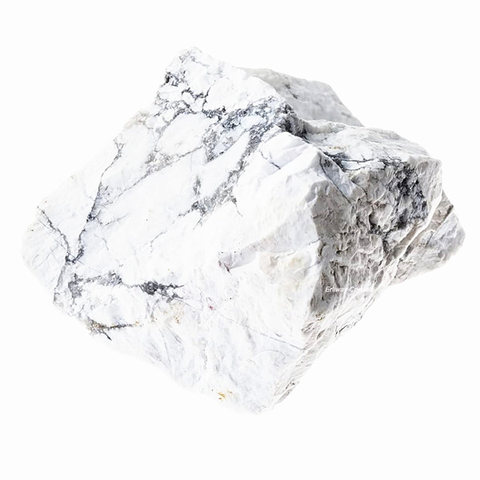
Howlite
Borate mineral
Howlite
Borate mineral
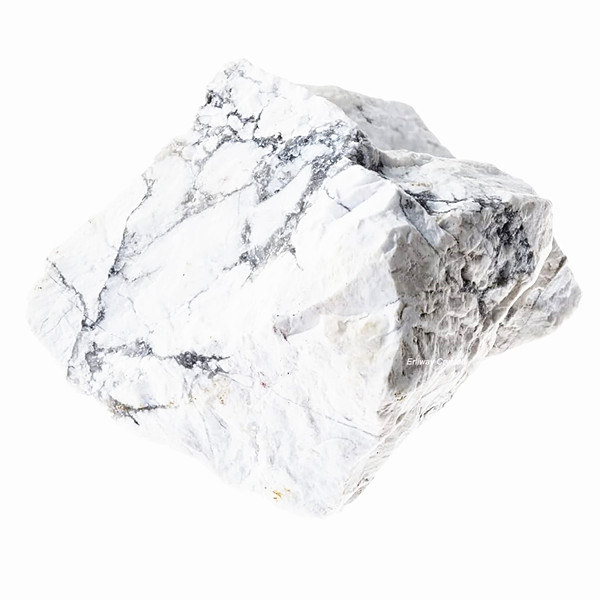
SPECIMEN 17 / Borate mineral
Howlite
Howlite is usually white and often occurs in nodules. Dark veins may cross ornamental pieces; dyed material can have a very different colour.
- Composition
- Ca₂B₅SiO₉(OH)₅
- Hardness · Mohs
- 3.5
- Documented mineral localities (examples)
- Mexico, Canada, USA, Turkey
Localities are reference information, not verified provenance for your individual piece.
Read the reference
Handbook of Mineralogy · HowliteA visual comparison guide, not a laboratory identification.
18
Lepidolite
Lithium-mica material
Lepidolite
Lithium-mica material

SPECIMEN 18 / Lithium-mica material
Lepidolite
Lepidolite is a name used for lithium-rich mica material. Its small flakes can create a pearly, layered appearance.
- Composition
- K(Li,Al)₃(Si,Al)₄O₁₀(F,OH)₂; variable
- Hardness · Mohs
- 2.5–4
- Documented mineral localities (examples)
- Brazil, Madagascar, Canada, USA, Russia
Localities are reference information, not verified provenance for your individual piece.
Read the reference
Handbook of Mineralogy · LepidoliteA visual comparison guide, not a laboratory identification.
19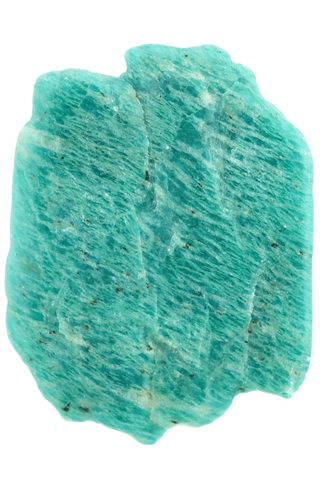
Amazonite
Microcline feldspar
Amazonite
Microcline feldspar

SPECIMEN 19 / Microcline feldspar
Amazonite
Amazonite is green to blue-green microcline feldspar. Pale streaks or patches may interrupt its body colour.
- Composition
- KAlSi₃O₈
- Hardness · Mohs
- 6–6.5
- Reported reference locality
- Madagascar
Localities are reference information, not verified provenance for your individual piece.
Read the reference
Handbook of Mineralogy · MicroclineA visual comparison guide, not a laboratory identification.
20
Yooperlite
Trade-name rock
Yooperlite
Trade-name rock

SPECIMEN 20 / Trade-name rock
Yooperlite
Yooperlite is a trade name for sodalite-bearing rock. The mineral mixture, rather than one chemical formula, defines the material.
- Composition
- Sodalite-bearing rock; variable mixture
- Hardness · Mohs
- Varies by component
- Reported reference locality
- USA
Localities are reference information, not verified provenance for your individual piece.
Trade labels can cover different materials. The photo and name alone cannot confirm mineral identity, composition or treatment.
Read the reference
Handbook of Mineralogy · SodaliteA visual comparison guide, not a laboratory identification.
21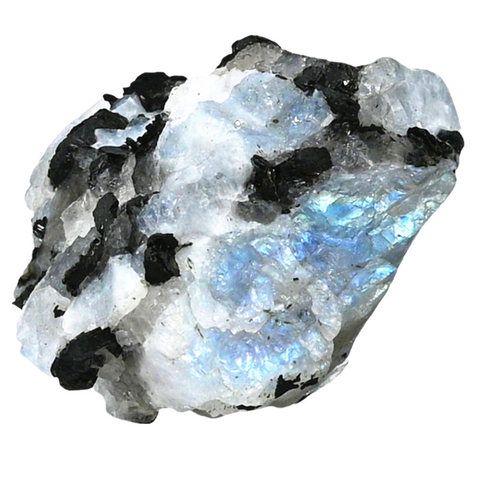
Moonstone
Feldspar material
Moonstone
Feldspar material
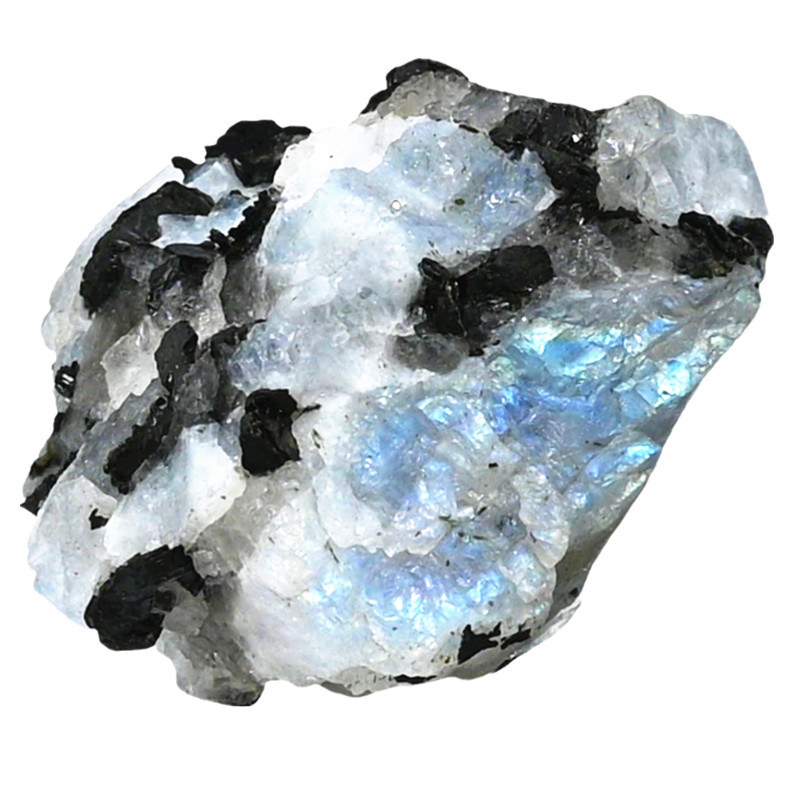
SPECIMEN 21 / Feldspar material
Moonstone
Moonstone is feldspar known for adularescence: a soft glow that appears to move below the surface. Not every rough fragment shows this clearly.
- Composition
- Feldspar mixture; commonly orthoclase and albite
- Hardness · Mohs
- 6–6.5
- Reported reference locality
- India
Localities are reference information, not verified provenance for your individual piece.
Read the reference
GIA · MoonstoneA visual comparison guide, not a laboratory identification.
22
Bloodstone
Chalcedony variety
Bloodstone
Chalcedony variety

SPECIMEN 22 / Chalcedony variety
Bloodstone
Bloodstone is typically dark green chalcedony with contrasting red areas. The amount and distribution of red vary between specimens.
- Composition
- Mainly SiO₂, with inclusions
- Hardness · Mohs
- 6.5–7
- Reported reference locality
- Madagascar
Localities are reference information, not verified provenance for your individual piece.
Read the reference
Handbook of Mineralogy · QuartzA visual comparison guide, not a laboratory identification.
23
Mahogany Obsidian
Volcanic glass
Mahogany Obsidian
Volcanic glass

SPECIMEN 23 / Volcanic glass
Mahogany Obsidian
Mahogany obsidian is a brown-and-black variety of natural volcanic glass. Its colour pattern and glassy fracture are useful comparison features.
- Composition
- Silica-rich glass; variable composition
- Hardness · Mohs
- About 5–5.5
- Reported reference locality
- Mexico
Localities are reference information, not verified provenance for your individual piece.
Read the reference
USGS · Rock identificationA visual comparison guide, not a laboratory identification.
24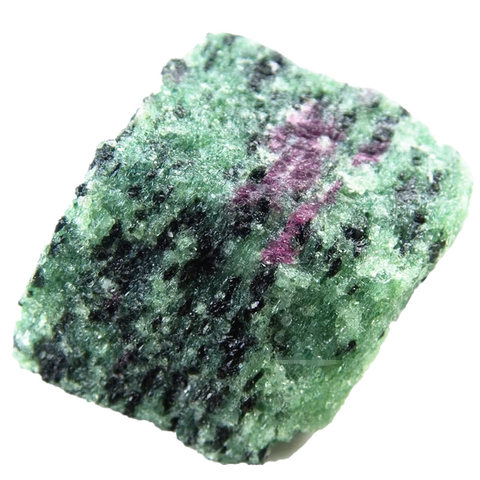
Ruby in Zoisite
Mineral aggregate
Ruby in Zoisite
Mineral aggregate
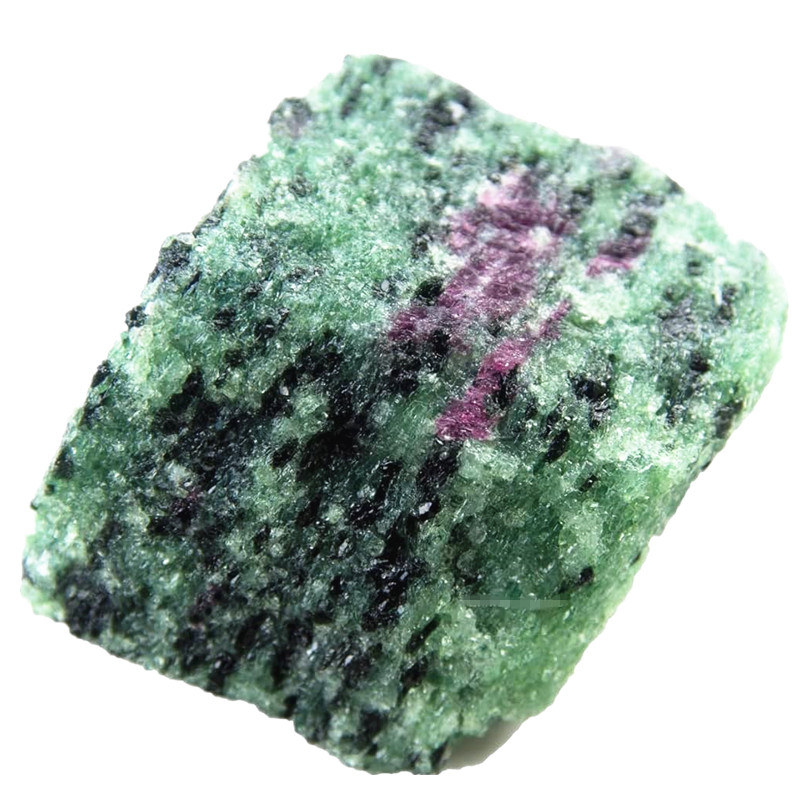
SPECIMEN 24 / Mineral aggregate
Ruby in Zoisite
Ruby in zoisite combines red corundum with green zoisite-rich material. A mixed specimen has different properties in its different mineral grains.
- Composition
- Zoisite with corundum; other minerals may occur
- Hardness · Mohs
- Varies by component
- Reported reference locality
- Tanzania
Localities are reference information, not verified provenance for your individual piece.
Read the reference
Handbook of Mineralogy · ZoisiteA visual comparison guide, not a laboratory identification.
25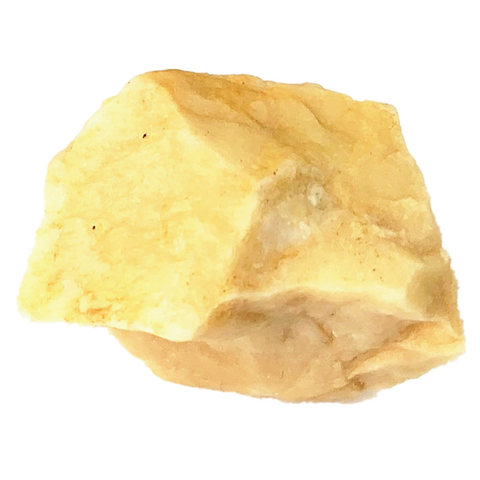
Yellow Aventurine
Quartz-rich material
Yellow Aventurine
Quartz-rich material
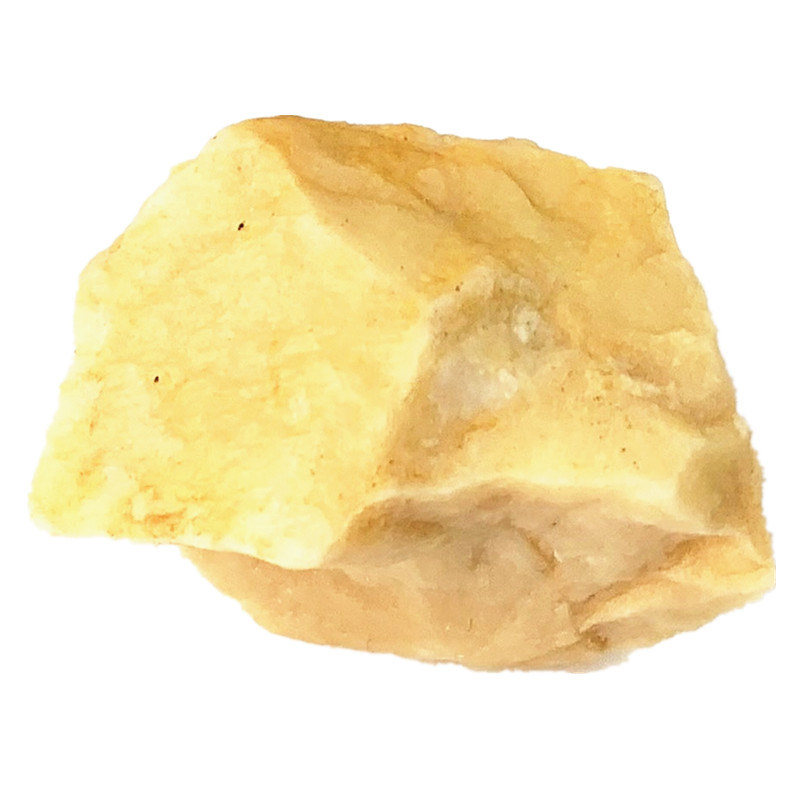
SPECIMEN 25 / Quartz-rich material
Yellow Aventurine
Yellow aventurine is a yellow-toned quartz-rich material. Fine inclusions may create a speckled appearance or a gentle sparkle.
- Composition
- Mainly SiO₂
- Hardness · Mohs
- 7
- Reported reference locality
- Brazil
Localities are reference information, not verified provenance for your individual piece.
Read the reference
Handbook of Mineralogy · QuartzA visual comparison guide, not a laboratory identification.
26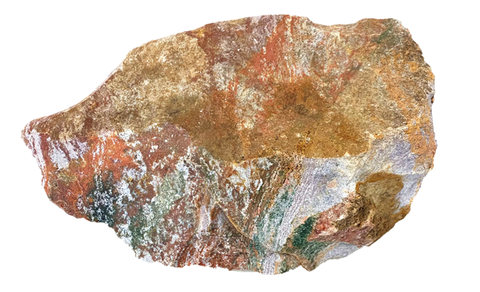
Ocean Jasper
Quartz-rich trade material
Ocean Jasper
Quartz-rich trade material
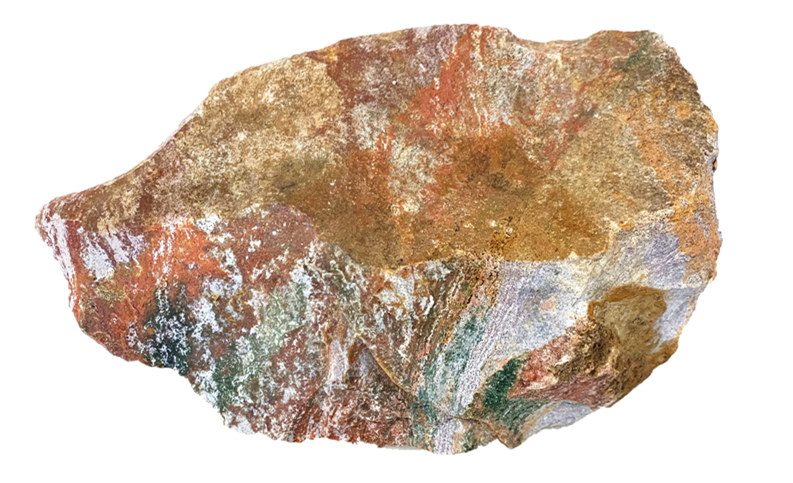
SPECIMEN 26 / Quartz-rich trade material
Ocean Jasper
Ocean jasper is an ornamental trade name associated with patterned silica-rich stone. Rounded spots and colour combinations can vary widely.
- Composition
- Mainly silica; mineral mixture varies
- Hardness · Mohs
- About 7 if quartz-rich
- Reported reference locality
- Madagascar
Localities are reference information, not verified provenance for your individual piece.
Read the reference
Handbook of Mineralogy · QuartzA visual comparison guide, not a laboratory identification.
27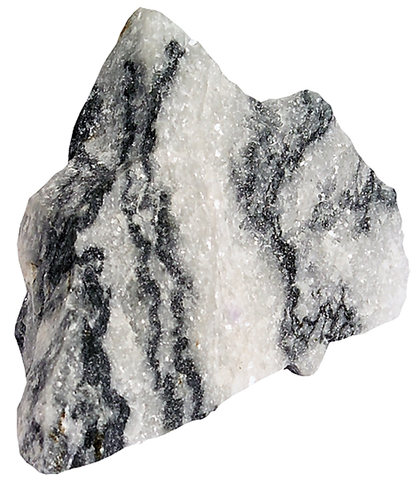
Zebra Stone
Trade-name material
Zebra Stone
Trade-name material
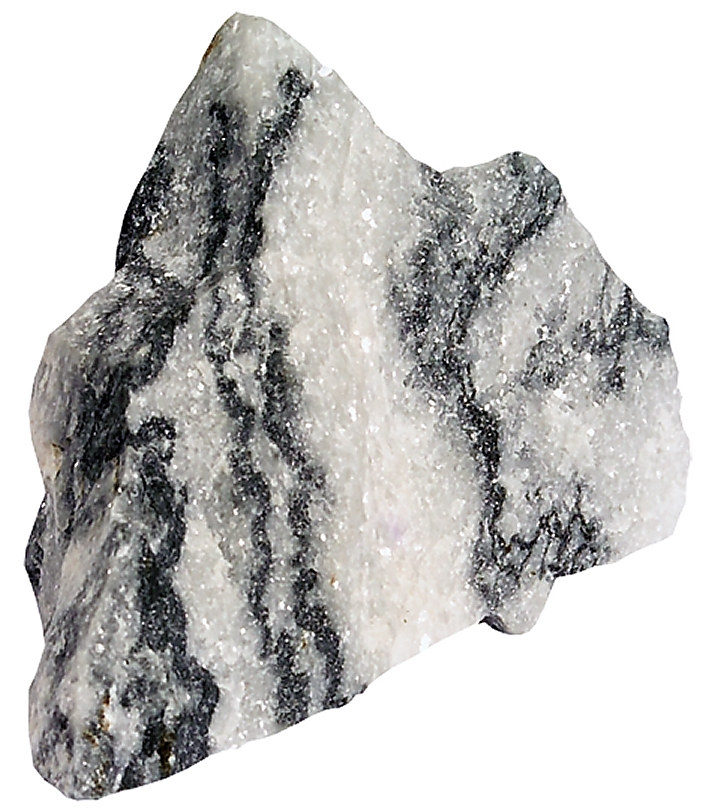
SPECIMEN 27 / Trade-name material
Zebra Stone
Zebra Stone is used for more than one banded ornamental rock. A striped appearance is a visual clue, not a mineral identification.
- Composition
- No single formula established
- Hardness · Mohs
- Not established
- Reported reference locality
- Australia
Localities are reference information, not verified provenance for your individual piece.
Trade labels can cover different materials. The photo and name alone cannot confirm mineral identity, composition or treatment.
A visual comparison guide, not a laboratory identification.
28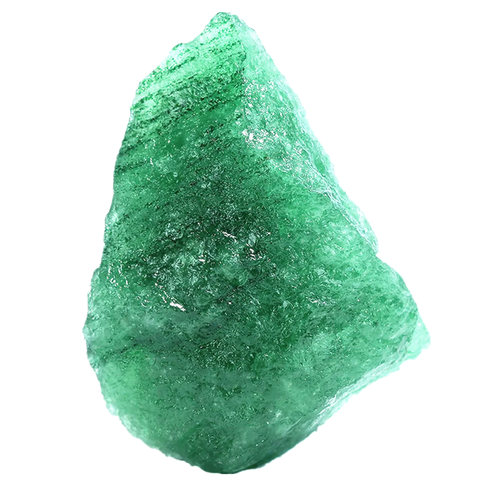
Green Strawberry Quartz
Trade-name material
Green Strawberry Quartz
Trade-name material
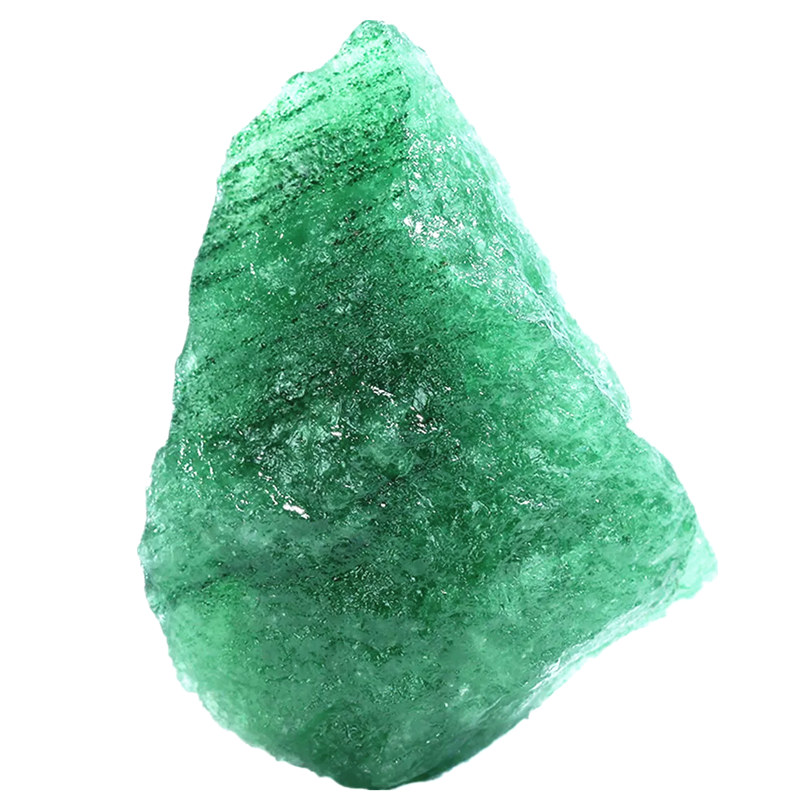
SPECIMEN 28 / Trade-name material
Green Strawberry Quartz
Green Strawberry Quartz is a commercial name. Compare its green colour and inclusions, but do not assume that the name proves composition or treatment status.
- Composition
- Confirm the material supplied
- Hardness · Mohs
- Not established
- Reported reference locality
- Brazil
Localities are reference information, not verified provenance for your individual piece.
Trade labels can cover different materials. The photo and name alone cannot confirm mineral identity, composition or treatment.
A visual comparison guide, not a laboratory identification.
29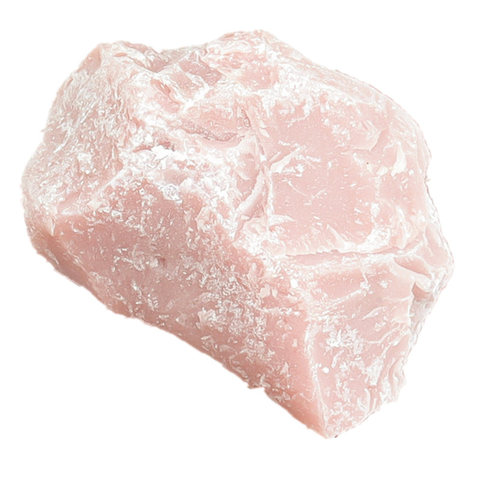
Pink Opal
Hydrated silica / mineraloid
Pink Opal
Hydrated silica / mineraloid
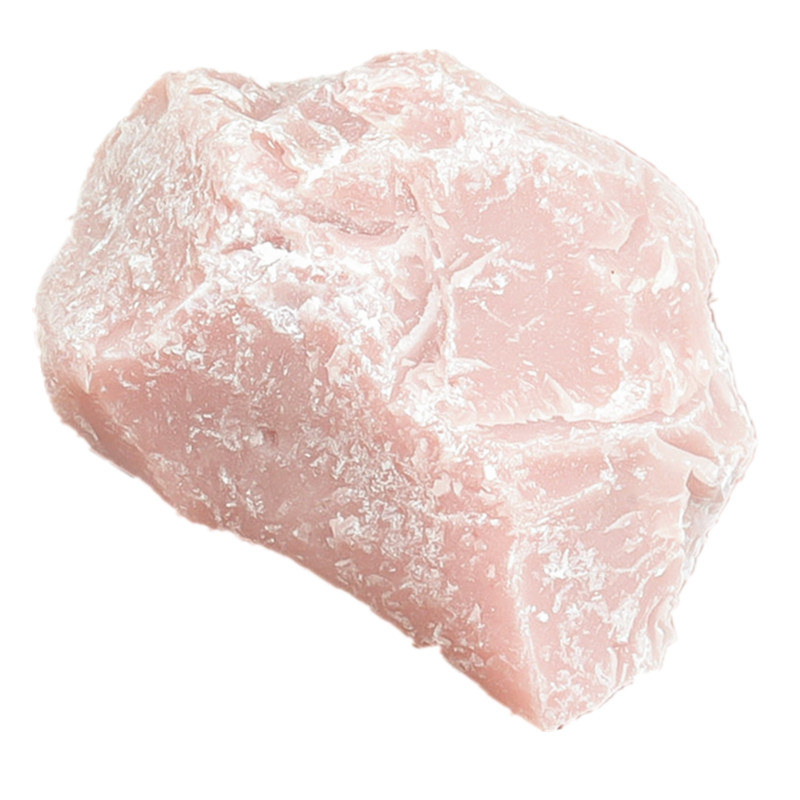
SPECIMEN 29 / Hydrated silica / mineraloid
Pink Opal
Pink opal is usually common opal, which lacks the rainbow play-of-colour of precious opal. It contains water within its silica structure.
- Composition
- SiO₂·nH₂O
- Hardness · Mohs
- 5–6.5
- Reported reference locality
- Peru
Localities are reference information, not verified provenance for your individual piece.
Read the reference
GIA · OpalA visual comparison guide, not a laboratory identification.
30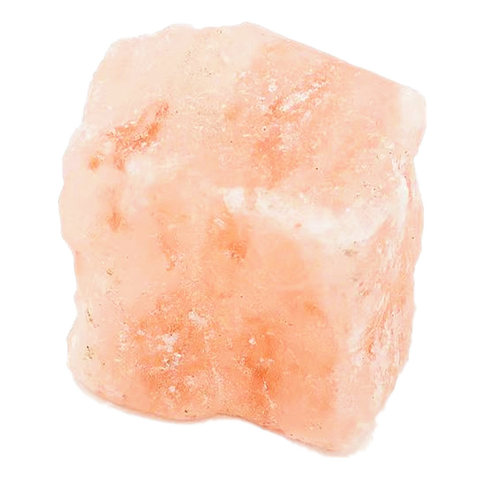
Himalayan Salt
Halite
Himalayan Salt
Halite
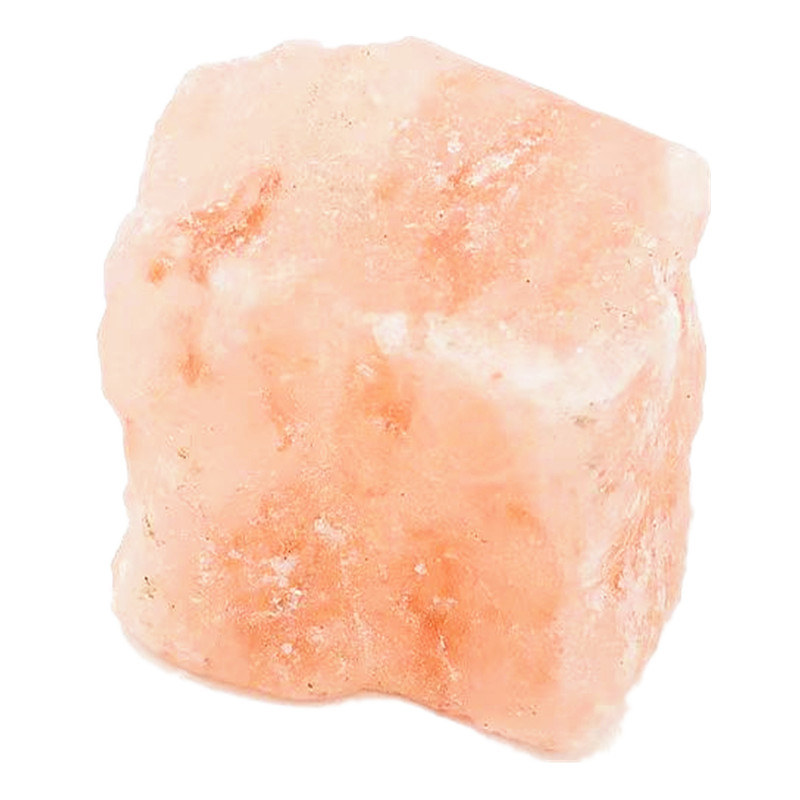
SPECIMEN 30 / Halite
Himalayan Salt
The main mineral in Himalayan salt is halite. A collection specimen is for observation and must not be treated as food-grade salt.
- Composition
- NaCl
- Hardness · Mohs
- 2–2.5
- Reported reference locality
- Pakistan
Localities are reference information, not verified provenance for your individual piece.
Read the reference
Handbook of Mineralogy · HaliteA visual comparison guide, not a laboratory identification.
31
Orchid Calcite
Calcite trade variety
Orchid Calcite
Calcite trade variety

SPECIMEN 31 / Calcite trade variety
Orchid Calcite
Orchid Calcite is a trade colour name. Calcite is a relatively soft carbonate; colour or associated minerals do not change calcite’s reference hardness of 3.
- Composition
- CaCO₃; associated minerals may be present
- Hardness · Mohs
- 3 for calcite
- Reported reference locality
- Brazil
Localities are reference information, not verified provenance for your individual piece.
Read the reference
Handbook of Mineralogy · CalciteA visual comparison guide, not a laboratory identification.
32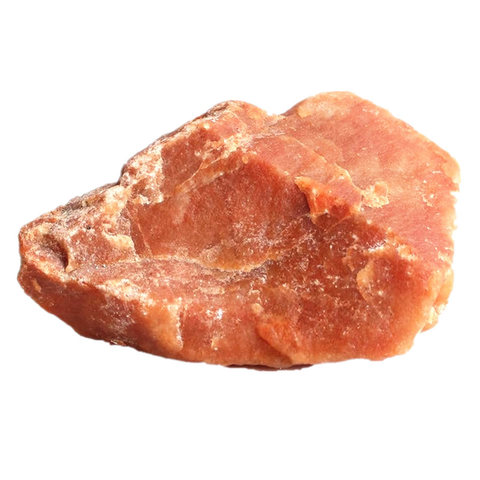
Red Aventurine
Quartz-rich material
Red Aventurine
Quartz-rich material
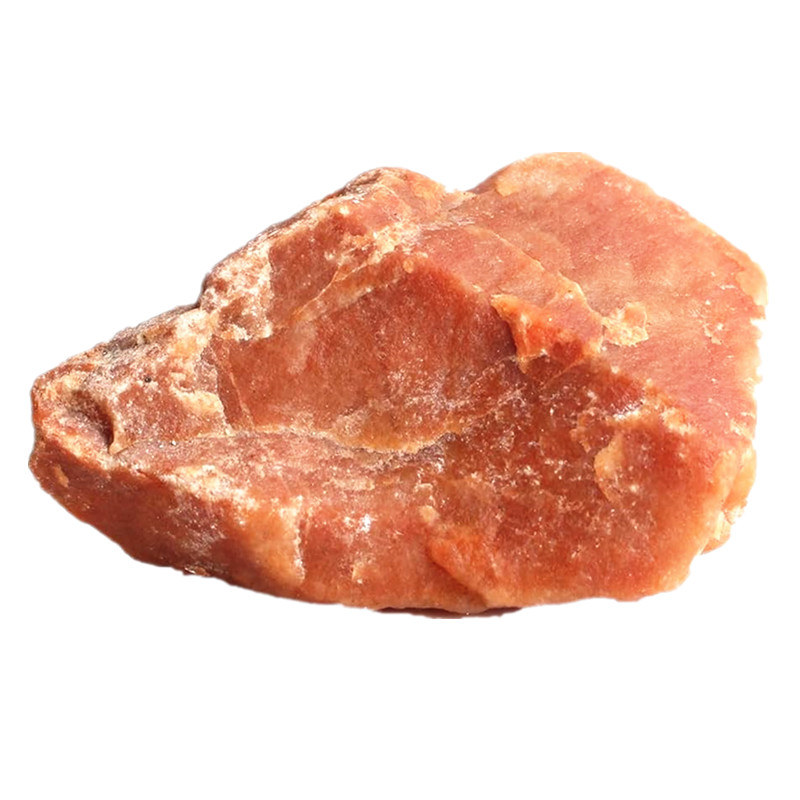
SPECIMEN 32 / Quartz-rich material
Red Aventurine
Red aventurine is a red to orange quartz-rich material. Fine inclusions contribute to its colour and may create small reflective points.
- Composition
- Mainly SiO₂
- Hardness · Mohs
- 7
- Reported reference locality
- Brazil
Localities are reference information, not verified provenance for your individual piece.
Read the reference
Handbook of Mineralogy · QuartzA visual comparison guide, not a laboratory identification.
33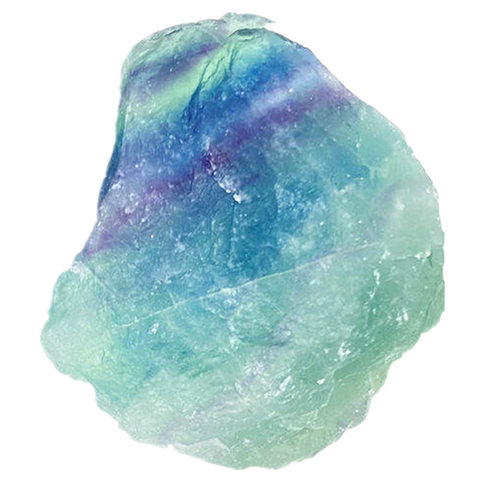
Fluorite
Halide mineral
Fluorite
Halide mineral
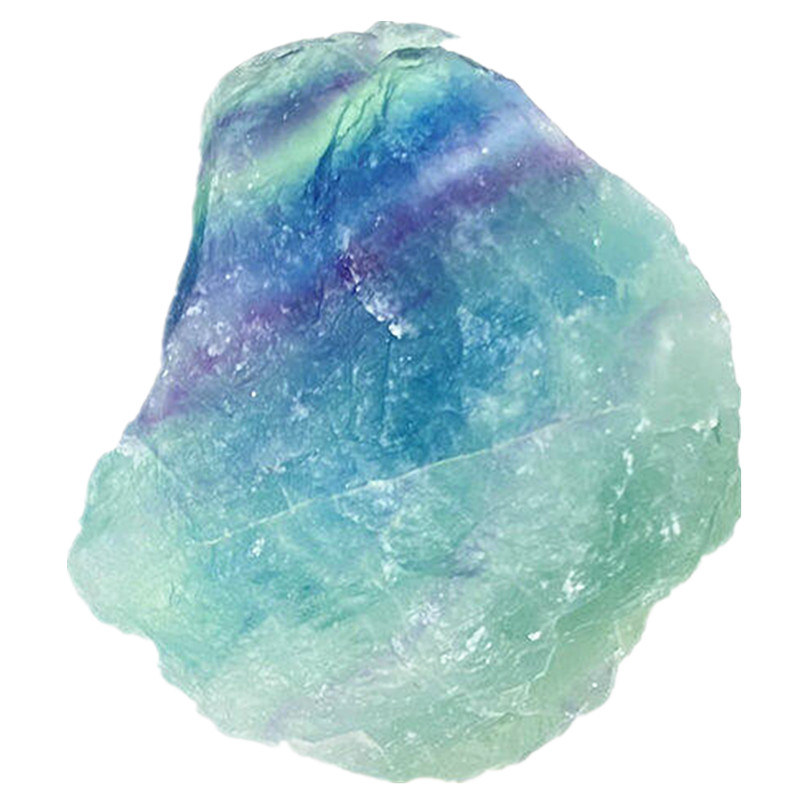
SPECIMEN 33 / Halide mineral
Fluorite
Fluorite occurs in many colours and can show distinct colour bands. Cubic crystals and smooth cleavage surfaces may appear in specimens.
- Composition
- CaF₂
- Hardness · Mohs
- 4
- Documented mineral localities (examples)
- France, Switzerland, Mexico, Canada, USA
Localities are reference information, not verified provenance for your individual piece.
Read the reference
Handbook of Mineralogy · FluoriteA visual comparison guide, not a laboratory identification.
34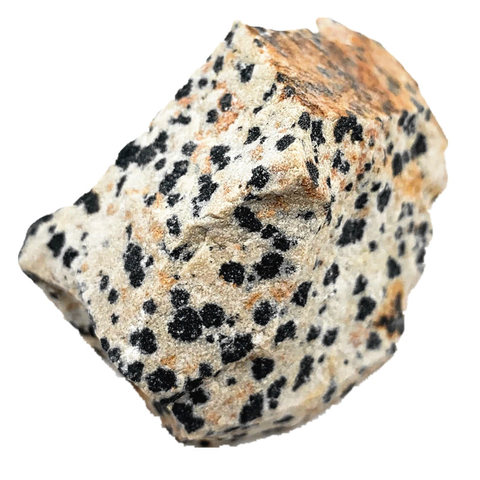
Dalmatian Stone
Trade-name rock
Dalmatian Stone
Trade-name rock
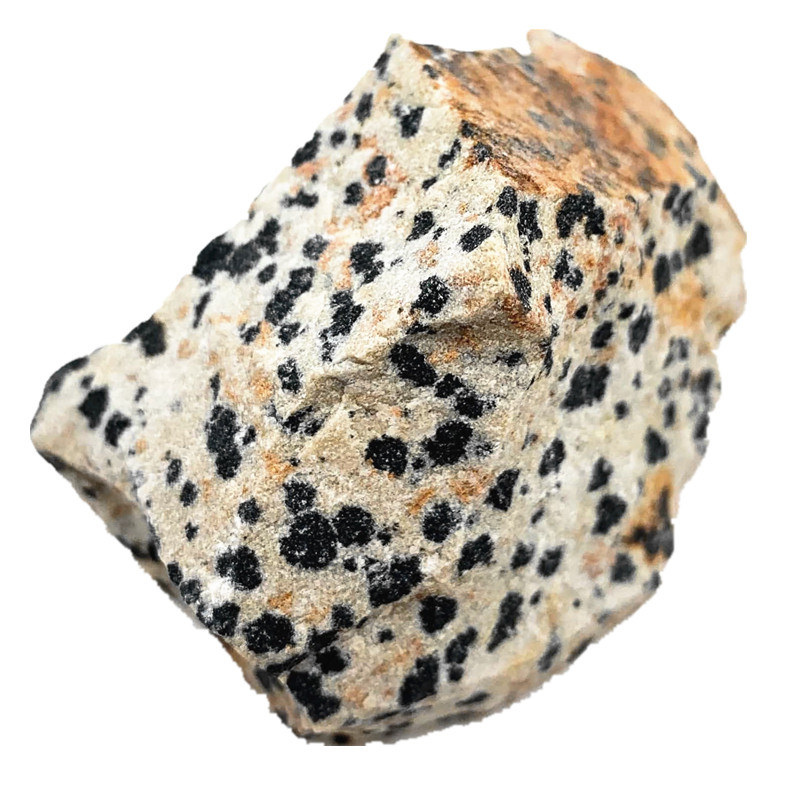
SPECIMEN 34 / Trade-name rock
Dalmatian Stone
Dalmatian Stone is a spotted rock, not a true jasper. A published study identified feldspar and quartz with dark arfvedsonite spots in the samples examined.
- Composition
- Feldspar, quartz and amphiboles; a mineral mixture
- Hardness · Mohs
- Not established
- Geographic origin
- Provenance not established in the cited study
Localities are reference information, not verified provenance for your individual piece.
Published findings describe the studied samples and do not identify every specimen sold under this trade name.
Read the reference
GIA · True Colors of “Dalmatian Jasper” (2017)A visual comparison guide, not a laboratory identification.
35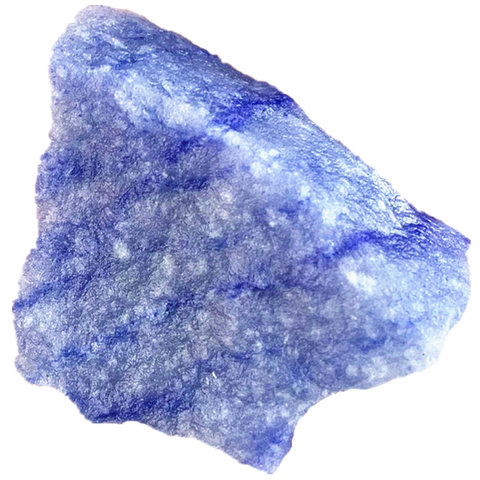
Blue Aventurine
Quartz-rich material
Blue Aventurine
Quartz-rich material
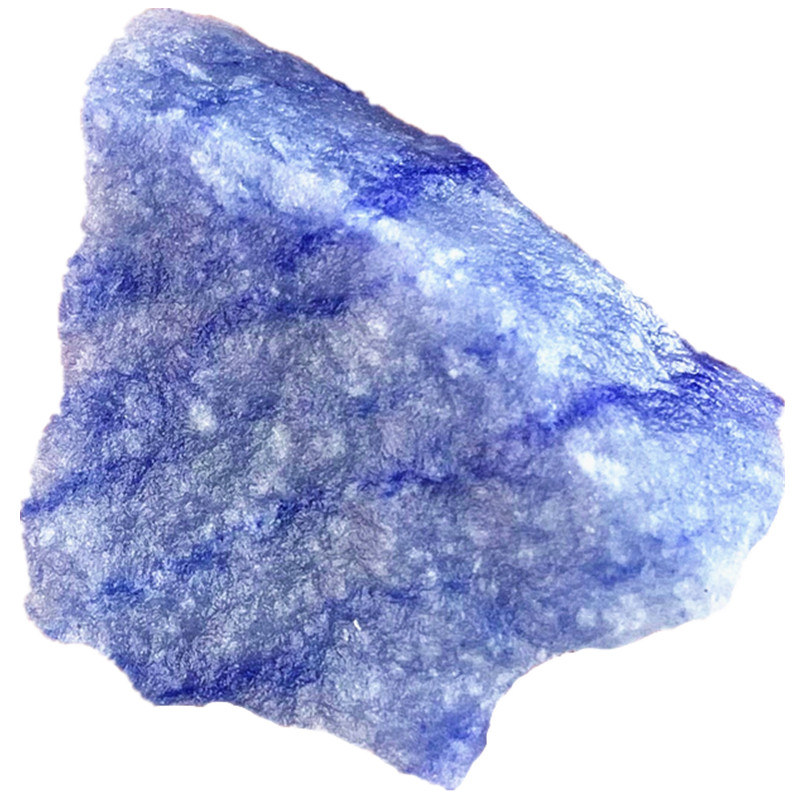
SPECIMEN 35 / Quartz-rich material
Blue Aventurine
Blue aventurine is a blue-toned quartz-rich material. Its texture is often granular or speckled rather than uniformly transparent.
- Composition
- Mainly SiO₂
- Hardness · Mohs
- 7
- Reported reference locality
- Brazil
Localities are reference information, not verified provenance for your individual piece.
Read the reference
Handbook of Mineralogy · QuartzA visual comparison guide, not a laboratory identification.
36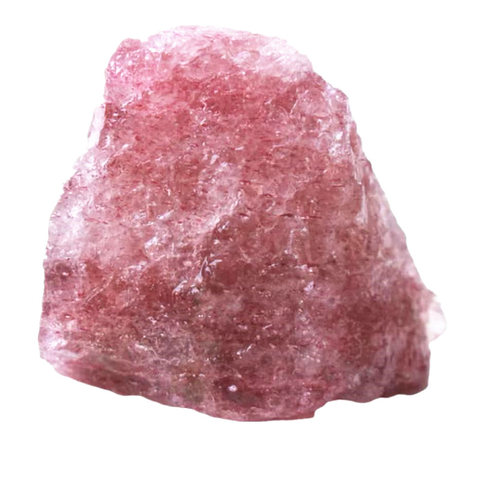
Strawberry Quartz
Trade-name quartz material
Strawberry Quartz
Trade-name quartz material
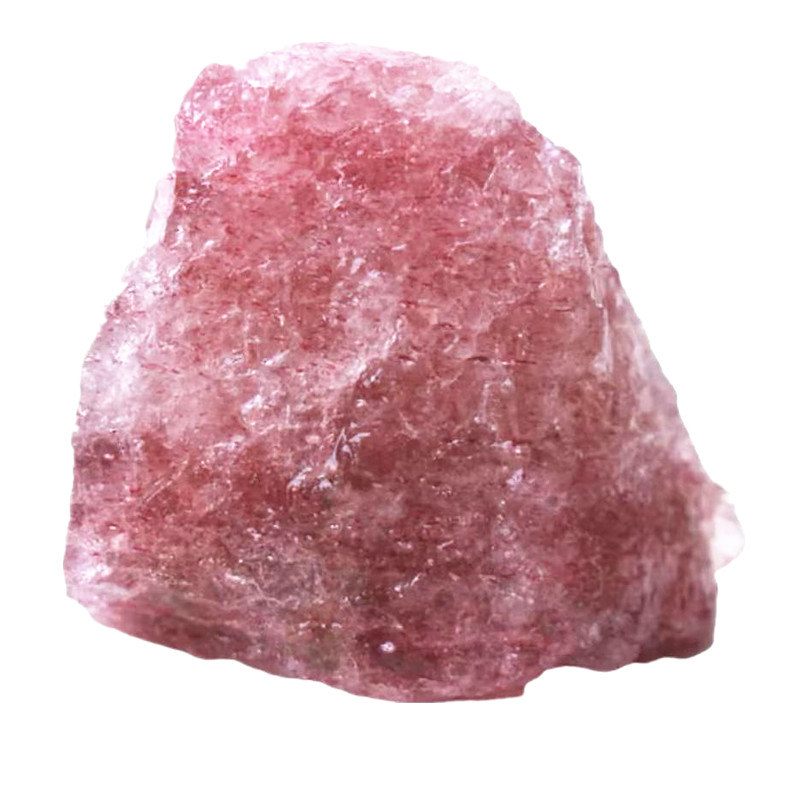
SPECIMEN 36 / Trade-name quartz material
Strawberry Quartz
Strawberry Quartz is a trade name for pink or red included quartz and sometimes look-alike material. The name alone cannot establish authenticity or treatment.
- Composition
- Usually quartz with inclusions; verify material
- Hardness · Mohs
- 7 if quartz
- Reported reference locality
- Brazil
Localities are reference information, not verified provenance for your individual piece.
Trade labels can cover different materials. The photo and name alone cannot confirm mineral identity, composition or treatment.
Read the reference
Handbook of Mineralogy · QuartzA visual comparison guide, not a laboratory identification.
37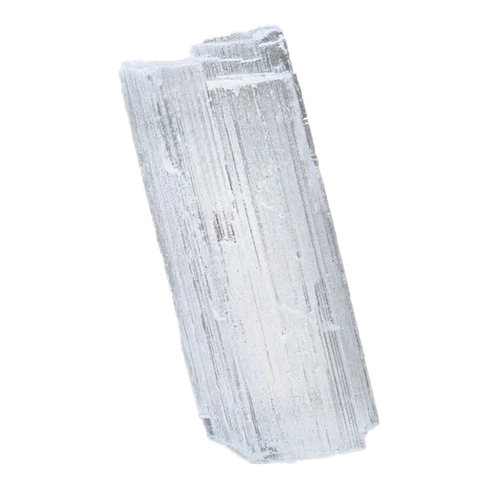
Selenite
Gypsum variety
Selenite
Gypsum variety
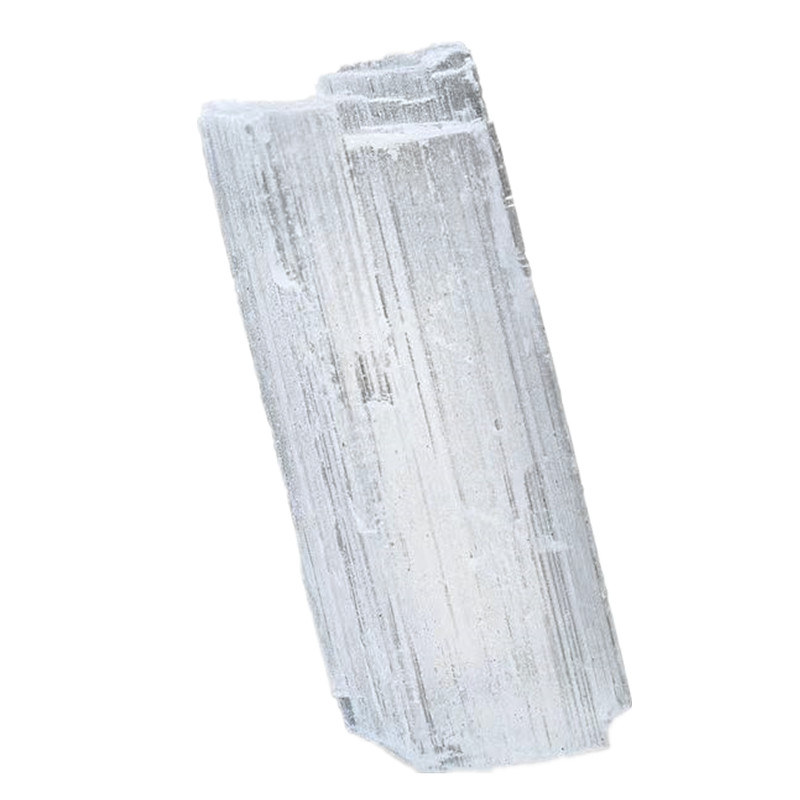
SPECIMEN 37 / Gypsum variety
Selenite
Selenite is a variety of gypsum. Fibrous gypsum sold under this name is often called satin spar; both are much softer than quartz.
- Composition
- CaSO₄·2H₂O
- Hardness · Mohs
- 1.5–2
- Documented mineral localities (examples)
- Austria, France, Italy, Switzerland, Mexico
Localities are reference information, not verified provenance for your individual piece.
Read the reference
Handbook of Mineralogy · GypsumA visual comparison guide, not a laboratory identification.
38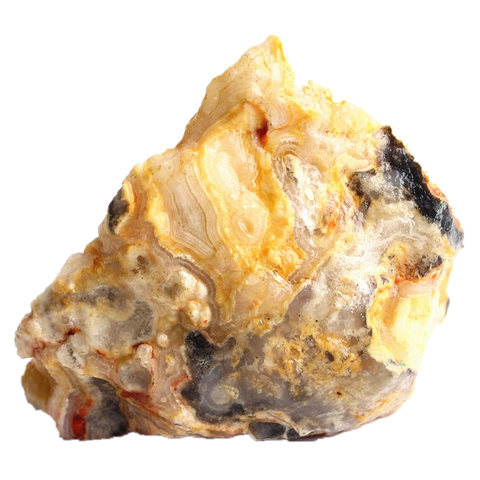
Crazy Lace Agate
Chalcedony variety
Crazy Lace Agate
Chalcedony variety
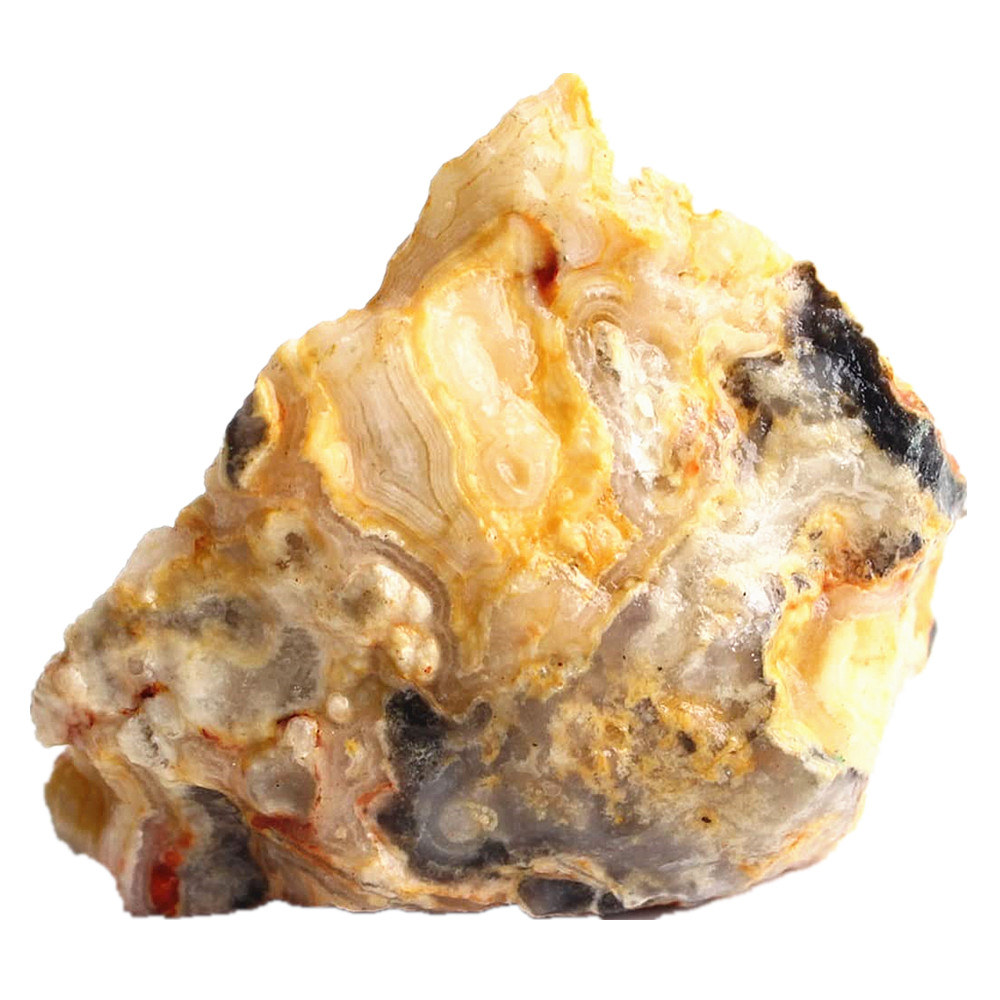
SPECIMEN 38 / Chalcedony variety
Crazy Lace Agate
Crazy lace agate has intricate, folded-looking bands and swirls. These patterns are the main feature to compare with the reference image.
- Composition
- Mainly SiO₂
- Hardness · Mohs
- 6.5–7
- Reported reference locality
- Mexico
Localities are reference information, not verified provenance for your individual piece.
Read the reference
Handbook of Mineralogy · QuartzA visual comparison guide, not a laboratory identification.
39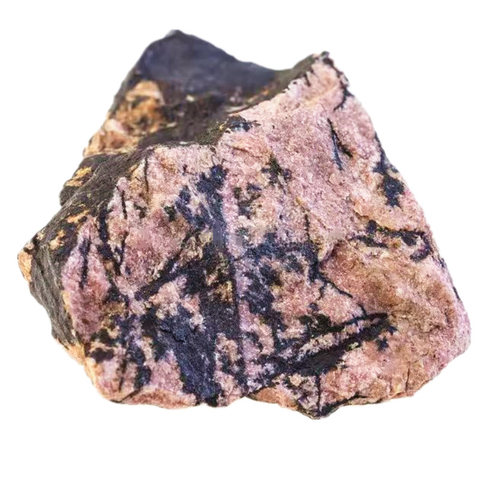
Rhodonite
Manganese silicate
Rhodonite
Manganese silicate
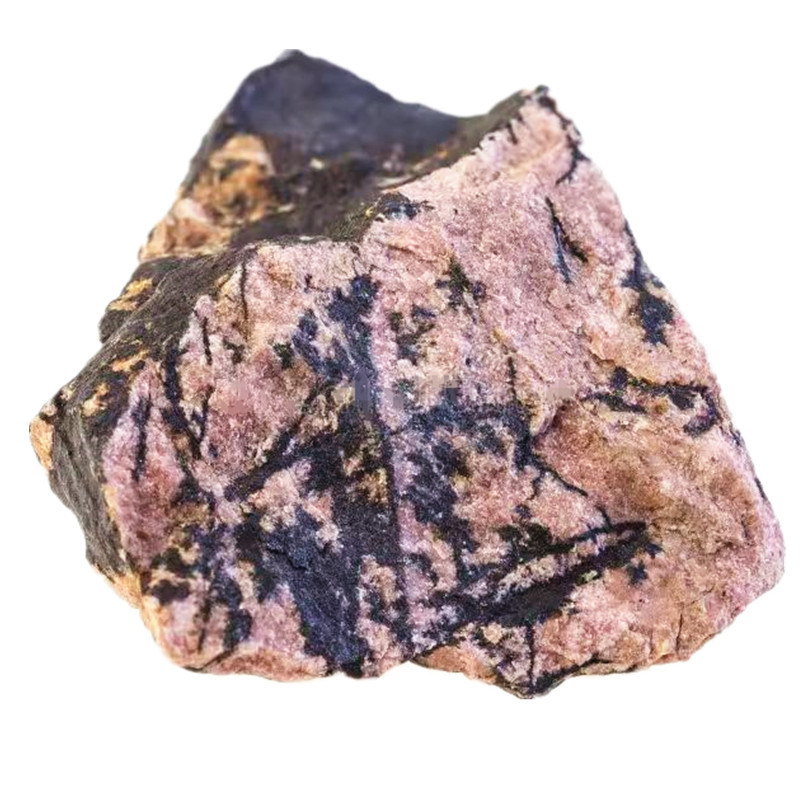
SPECIMEN 39 / Manganese silicate
Rhodonite
Rhodonite is a pink to red manganese silicate. Ornamental pieces can contain black manganese-oxide veins and patches.
- Composition
- Mn-rich silicate; Fe, Mg and Ca may substitute
- Hardness · Mohs
- 5.5–6.5
- Documented mineral localities (examples)
- Italy, Brazil, USA, Australia, Russia
Localities are reference information, not verified provenance for your individual piece.
Read the reference
Handbook of Mineralogy · RhodoniteA visual comparison guide, not a laboratory identification.
40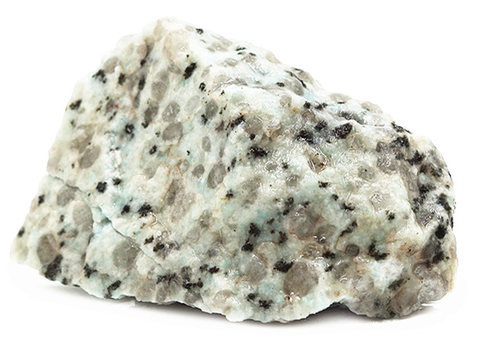
Kiwi Jasper
Trade-name rock
Kiwi Jasper
Trade-name rock
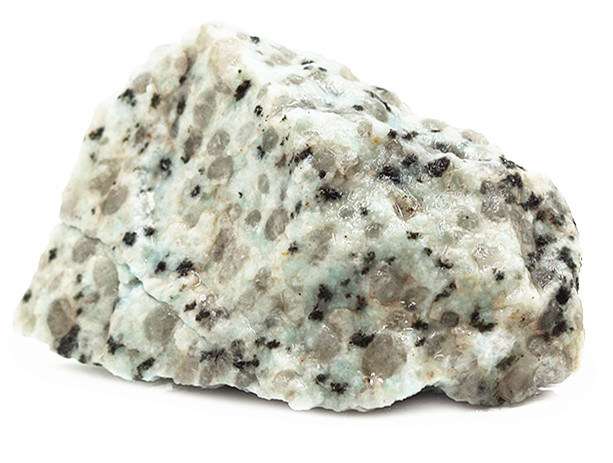
SPECIMEN 40 / Trade-name rock
Kiwi Jasper
Kiwi Jasper is a trade name for pale, often greenish spotted stone. The name does not guarantee that the material is a true jasper.
- Composition
- Mixed minerals; identity requires confirmation
- Hardness · Mohs
- Not established
- Reported reference locality
- Australia
Localities are reference information, not verified provenance for your individual piece.
Trade labels can cover different materials. The photo and name alone cannot confirm mineral identity, composition or treatment.
A visual comparison guide, not a laboratory identification.
41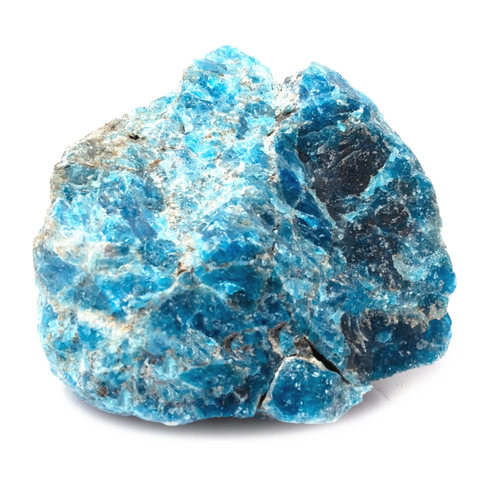
Blue Apatite
Apatite-group mineral
Blue Apatite
Apatite-group mineral

SPECIMEN 41 / Apatite-group mineral
Blue Apatite
Blue apatite belongs to the apatite mineral group. It is softer and more easily damaged than similarly coloured quartz or beryl.
- Composition
- Ca₅(PO₄)₃(F,Cl,OH); group composition varies
- Hardness · Mohs
- 5
- Reported reference locality
- Madagascar
Localities are reference information, not verified provenance for your individual piece.
Read the reference
Handbook of Mineralogy · FluorapatiteA visual comparison guide, not a laboratory identification.
42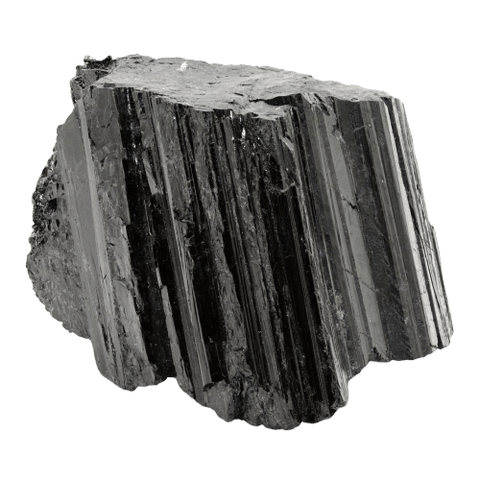
Black Tourmaline
Tourmaline-group mineral
Black Tourmaline
Tourmaline-group mineral
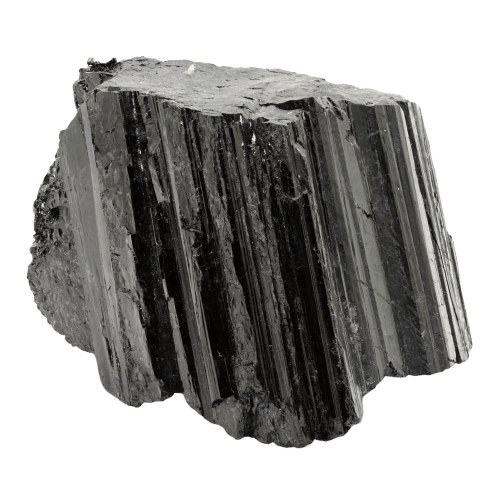
SPECIMEN 42 / Tourmaline-group mineral
Black Tourmaline
Black tourmaline is commonly schorl. Rough crystals often have a dark surface with lengthwise grooves.
- Composition
- Commonly schorl: NaFe₃Al₆(BO₃)₃Si₆O₁₈(OH)₄
- Hardness · Mohs
- 7–7.5
- Reported reference locality
- Brazil
Localities are reference information, not verified provenance for your individual piece.
Read the reference
GIA · TourmalineA visual comparison guide, not a laboratory identification.
43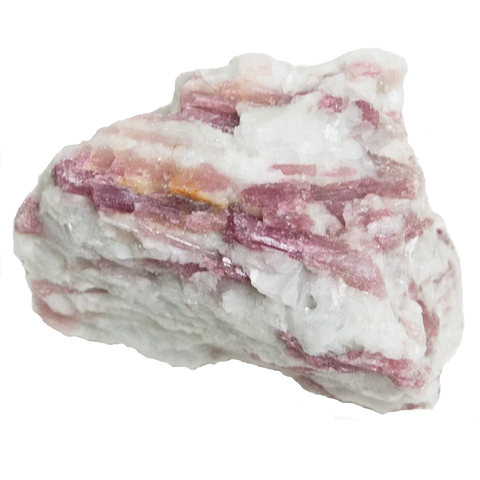
Pink Tourmaline
Tourmaline-group mineral
Pink Tourmaline
Tourmaline-group mineral
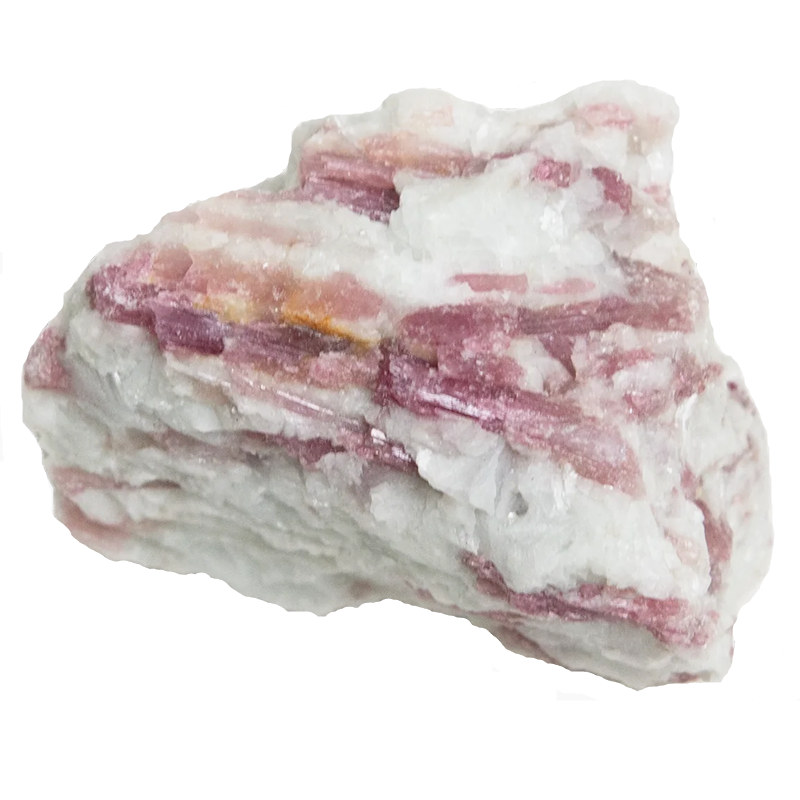
SPECIMEN 43 / Tourmaline-group mineral
Pink Tourmaline
Pink tourmaline is a colour variety within the tourmaline group. Its exact mineral species cannot be determined from pink colour alone.
- Composition
- Complex borosilicate; species-dependent formula
- Hardness · Mohs
- 7–7.5
- Reported reference locality
- Brazil
Localities are reference information, not verified provenance for your individual piece.
Read the reference
GIA · TourmalineA visual comparison guide, not a laboratory identification.
44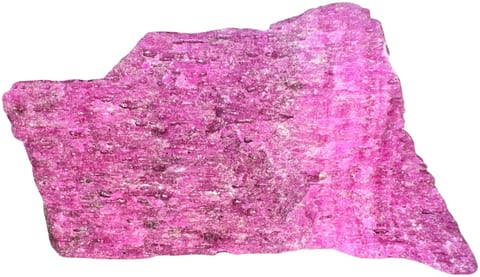
Corundum
Oxide mineral
Corundum
Oxide mineral

SPECIMEN 44 / Oxide mineral
Corundum
Corundum is aluminium oxide and is very hard. Ruby and sapphire are gem varieties, but many corundum specimens are opaque or only partly translucent.
- Composition
- Al₂O₃
- Hardness · Mohs
- 9
- Documented mineral localities (examples)
- Madagascar, Canada, USA, Australia, South Africa
Localities are reference information, not verified provenance for your individual piece.
Read the reference
Handbook of Mineralogy · CorundumA visual comparison guide, not a laboratory identification.
45
Aquamarine
Beryl variety
Aquamarine
Beryl variety
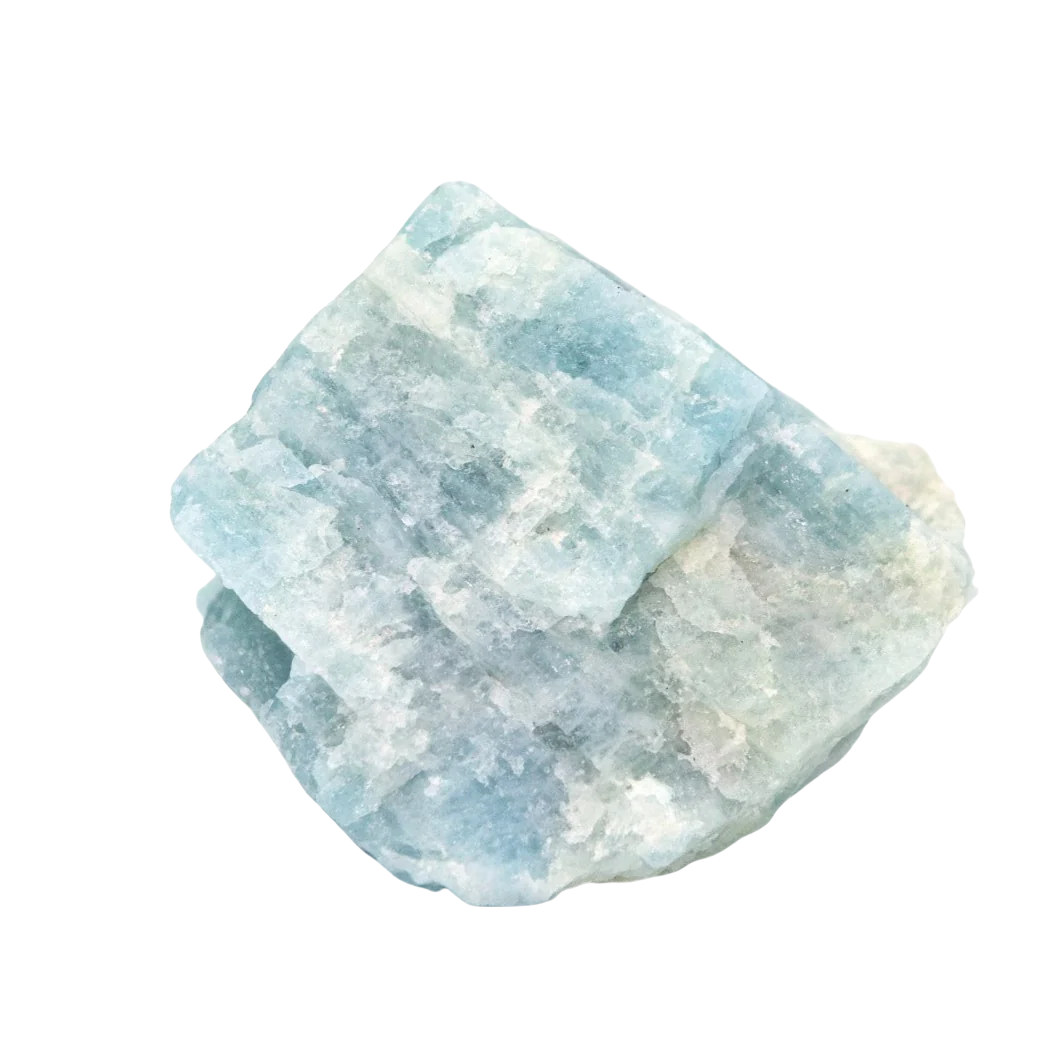
SPECIMEN 45 / Beryl variety
Aquamarine
Aquamarine is the blue to greenish-blue variety of beryl. Rough pieces may contain cloudy areas and fractures despite their relatively high hardness.
- Composition
- Be₃Al₂Si₆O₁₈
- Hardness · Mohs
- 7.5–8
- Reported reference locality
- Mozambique
Localities are reference information, not verified provenance for your individual piece.
Read the reference
Handbook of Mineralogy · BerylA visual comparison guide, not a laboratory identification.
46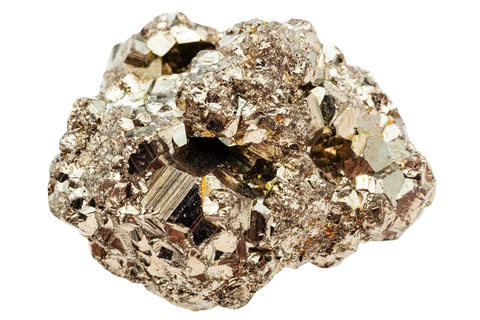
Pyrite
Sulfide mineral
Pyrite
Sulfide mineral
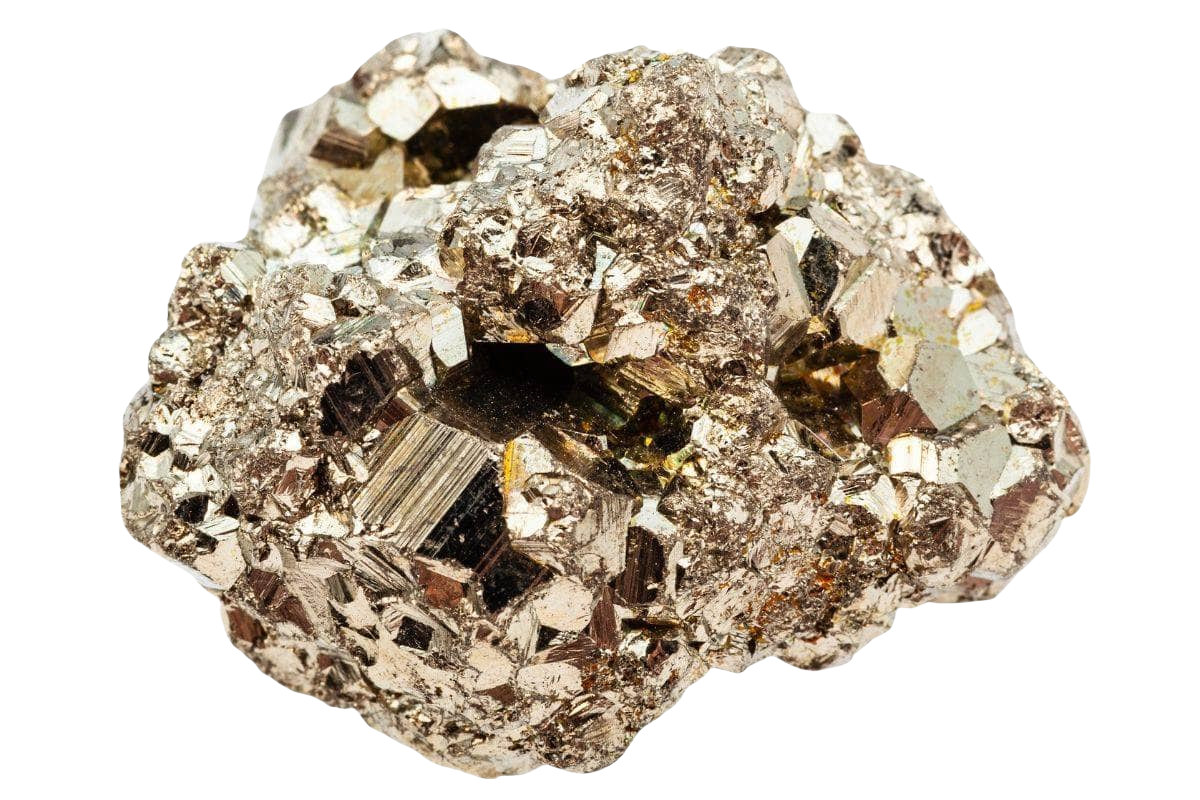
SPECIMEN 46 / Sulfide mineral
Pyrite
Pyrite has a brassy metallic appearance. It often forms cubes or other sharply shaped crystals and is chemically different from gold.
- Composition
- FeS₂
- Hardness · Mohs
- 6–6.5
- Documented mineral localities (examples)
- Italy, USA, Spain
Localities are reference information, not verified provenance for your individual piece.
Read the reference
Handbook of Mineralogy · PyriteA visual comparison guide, not a laboratory identification.
47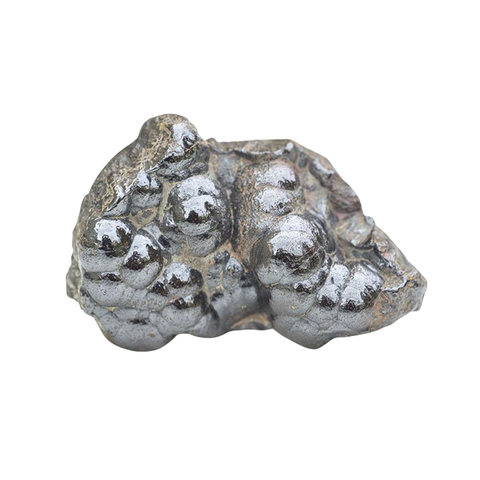
Hematite
Oxide mineral
Hematite
Oxide mineral
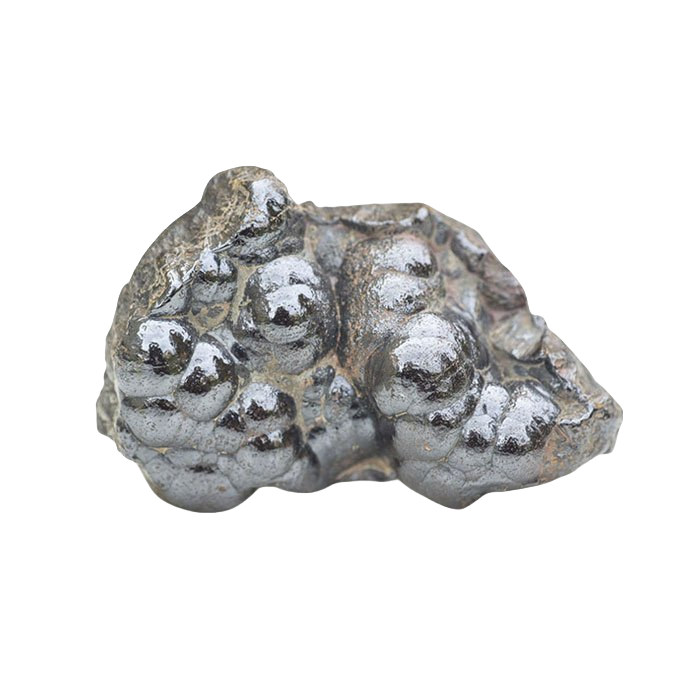
SPECIMEN 47 / Oxide mineral
Hematite
Hematite is an iron oxide that may appear metallic grey or earthy red. Its surface appearance varies with the form of the specimen.
- Composition
- Fe₂O₃
- Hardness · Mohs
- 5–6
- Documented mineral localities (examples)
- Norway, Italy, Switzerland, Brazil, USA
Localities are reference information, not verified provenance for your individual piece.
Read the reference
Handbook of Mineralogy · HematiteA visual comparison guide, not a laboratory identification.
48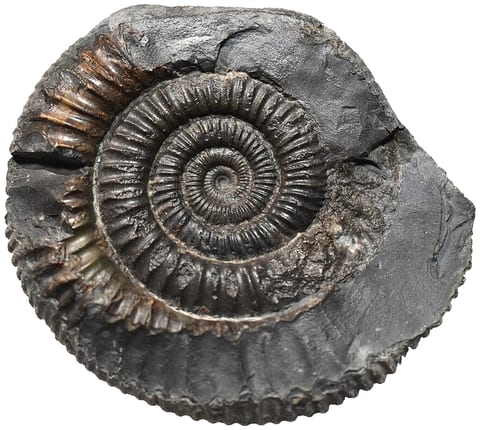
Ammonite
Fossil
Ammonite
Fossil

Photo: Fred Cherrygarden
CC BY-SA 4.0 · Background removed with an AI-assisted mask and image cropped; original specimen colours and texture retained. JPEG previews resized and compressed; transparent PNG available via full-size link. Adapted images retain the source licence.
SPECIMEN 48 / Fossil
Ammonite
Ammonites were marine animals with chambered shells. A fossil is preserved biological evidence, not a single mineral with one formula and hardness.
- Composition
- Shell and replacement minerals vary
- Hardness · Mohs
- Not one fixed value
- Reported reference locality
- Madagascar
Localities are reference information, not verified provenance for your individual piece.
Read the reference
Natural History Museum · AmmonitesA visual comparison guide, not a laboratory identification.
49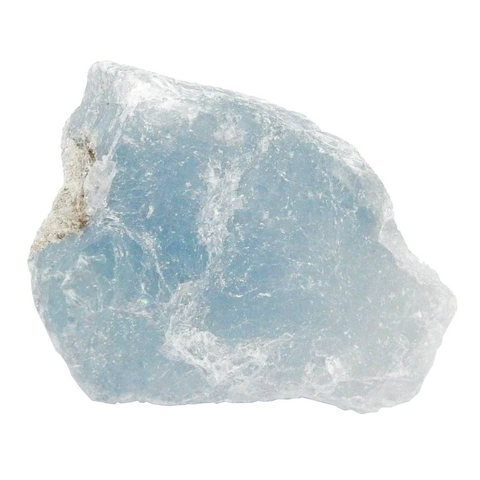
Celestite
Sulfate mineral
Celestite
Sulfate mineral

SPECIMEN 49 / Sulfate mineral
Celestite
Celestite, also called celestine, is a strontium sulfate mineral. Pale blue crystal groups can look delicate and are relatively soft.
- Composition
- SrSO₄
- Hardness · Mohs
- 3–3.5
- Documented mineral localities (examples)
- Norway, Italy, Madagascar, Mexico, Canada
Localities are reference information, not verified provenance for your individual piece.
Read the reference
Handbook of Mineralogy · CelestineA visual comparison guide, not a laboratory identification.
50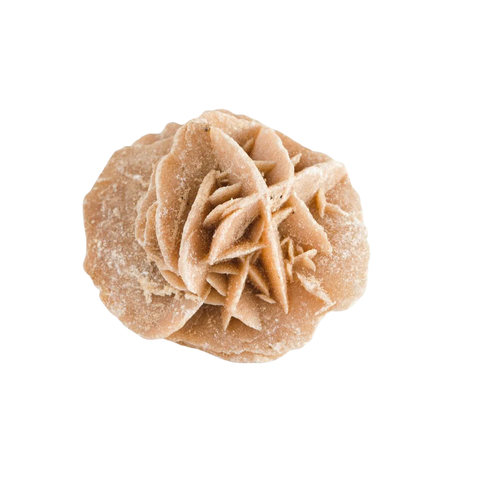
Desert Rose
Gypsum or baryte aggregate
Desert Rose
Gypsum or baryte aggregate
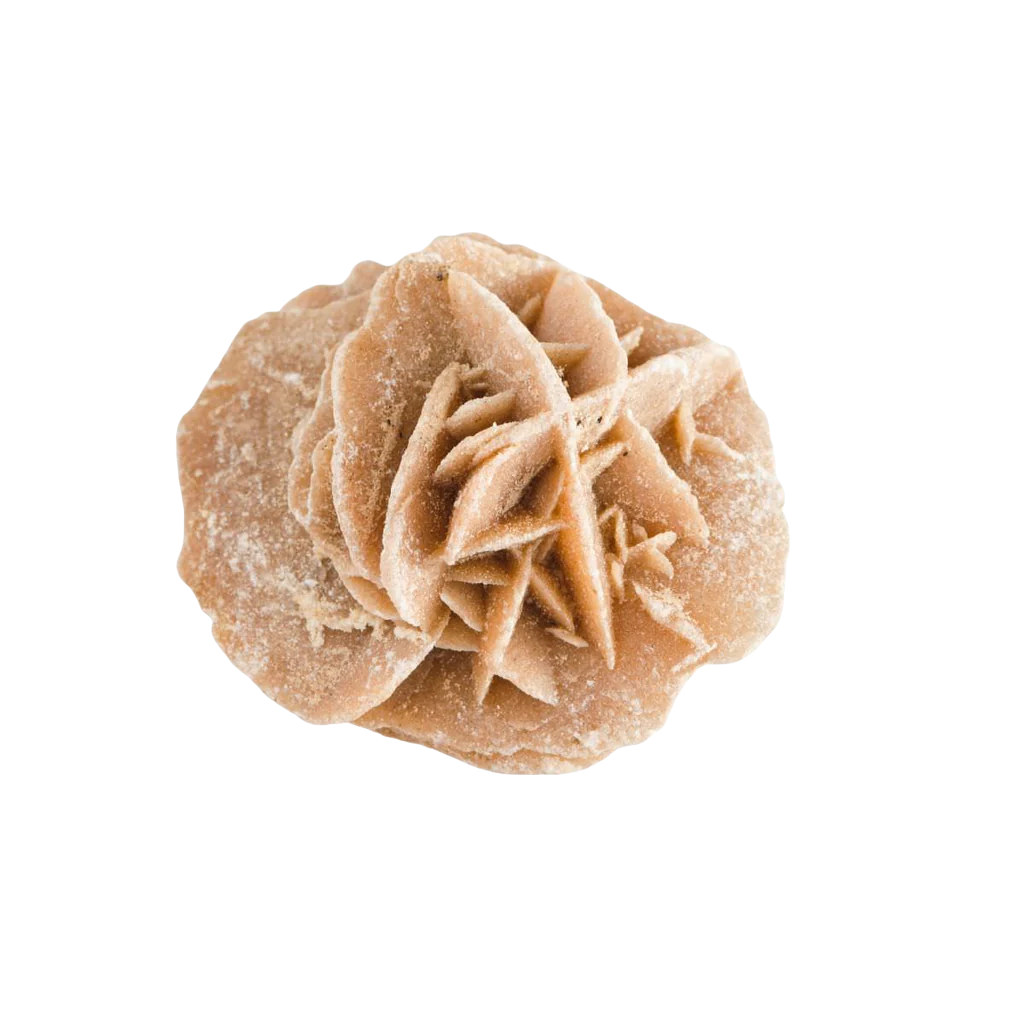
SPECIMEN 50 / Gypsum or baryte aggregate
Desert Rose
Desert rose describes a rosette-shaped crystal aggregate, not one mineral species. Gypsum and baryte can both form this shape, so composition needs confirmation.
- Composition
- Depends on the mineral forming the rose
- Hardness · Mohs
- Varies; gypsum about 2
- Reported reference locality
- Mongolia
Localities are reference information, not verified provenance for your individual piece.
Trade labels can cover different materials. The photo and name alone cannot confirm mineral identity, composition or treatment.
Read the reference
Handbook of Mineralogy · GypsumA visual comparison guide, not a laboratory identification.
51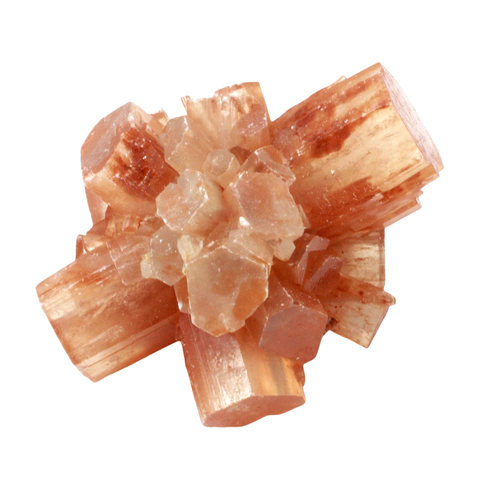
Aragonite
Carbonate mineral
Aragonite
Carbonate mineral

SPECIMEN 51 / Carbonate mineral
Aragonite
Aragonite and calcite have the same chemical composition but different crystal structures. Aragonite can form radiating or clustered crystals.
- Composition
- CaCO₃
- Hardness · Mohs
- 3.5–4
- Documented mineral localities (examples)
- Austria, Italy, Mexico, USA, Namibia
Localities are reference information, not verified provenance for your individual piece.
Read the reference
Handbook of Mineralogy · AragoniteA visual comparison guide, not a laboratory identification.
52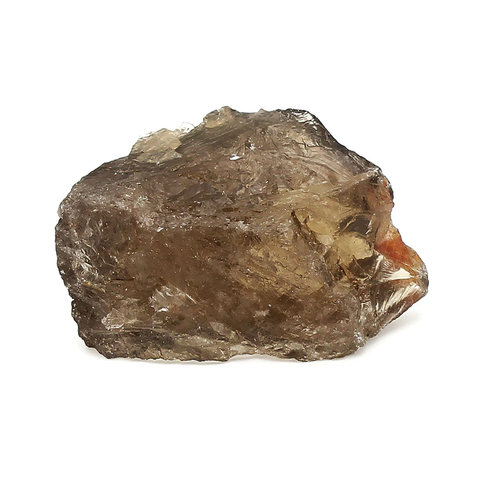
Smoky Quartz
Quartz variety
Smoky Quartz
Quartz variety
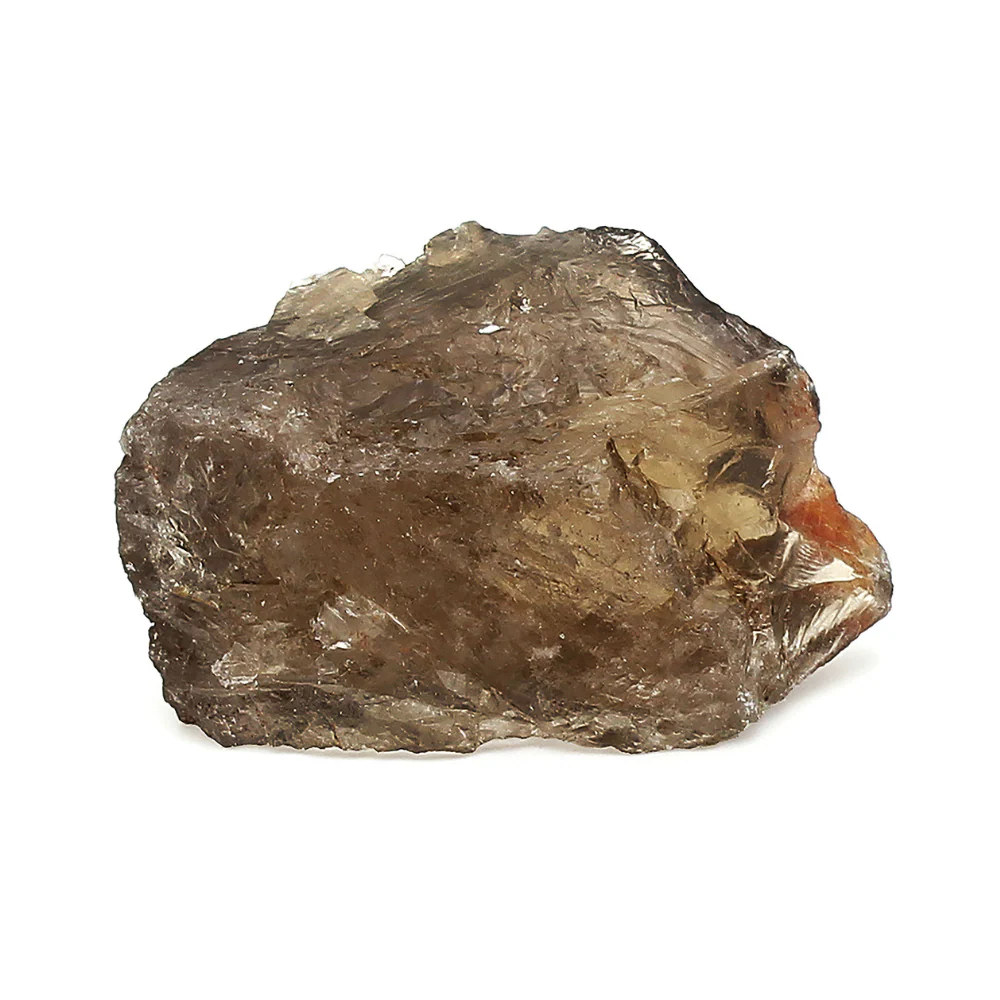
SPECIMEN 52 / Quartz variety
Smoky Quartz
Smoky quartz is brown to grey quartz. Its smoky colour may be light and transparent or dark enough to obscure the interior.
- Composition
- SiO₂
- Hardness · Mohs
- 7
- Reported reference locality
- Brazil
Localities are reference information, not verified provenance for your individual piece.
Read the reference
Handbook of Mineralogy · QuartzA visual comparison guide, not a laboratory identification.
53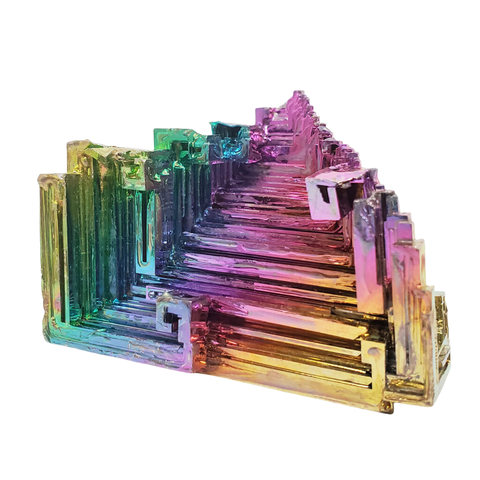
Bismuth
Grown display crystal
Bismuth
Grown display crystal
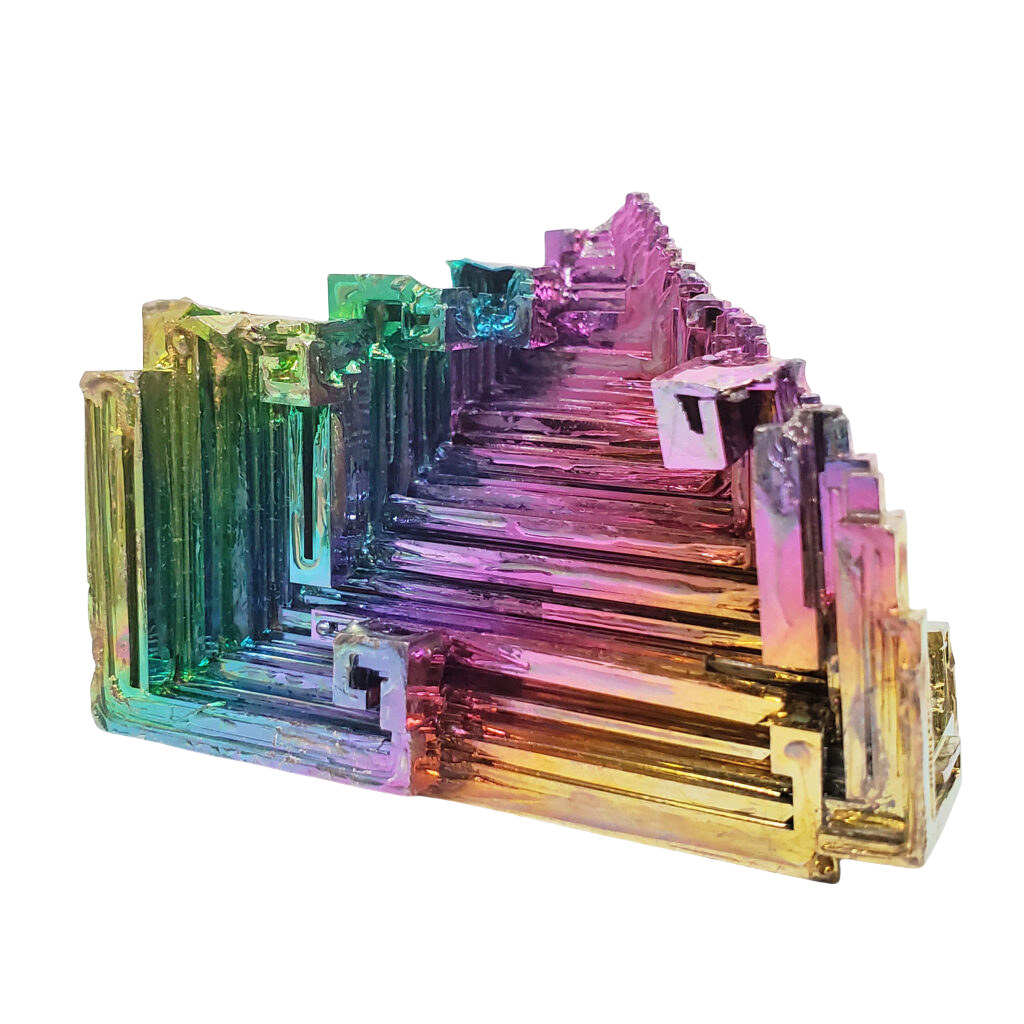
SPECIMEN 53 / Grown display crystal
Bismuth
The stepped, rainbow-coloured bismuth form shown here is typically grown by people. Its geometric appearance should not be presented as proof of a naturally mined crystal.
- Composition
- Bi
- Hardness · Mohs
- 2–2.5
- Production location in supplied list
- China
Localities are reference information, not verified provenance for your individual piece.
Manufactured or grown display material; not presented here as a naturally mined crystal.
Read the reference
Handbook of Mineralogy · BismuthA visual comparison guide, not a laboratory identification.
54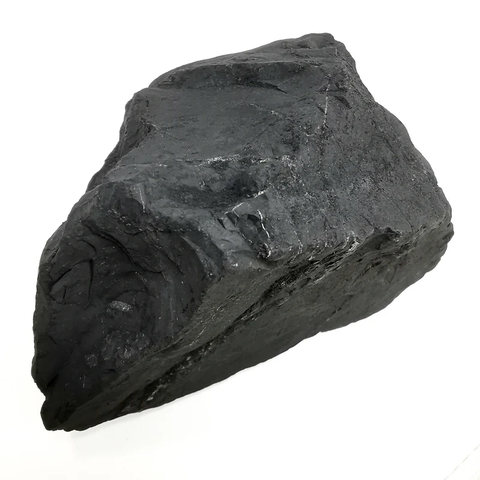
Shungite
Carbon-rich rock
Shungite
Carbon-rich rock
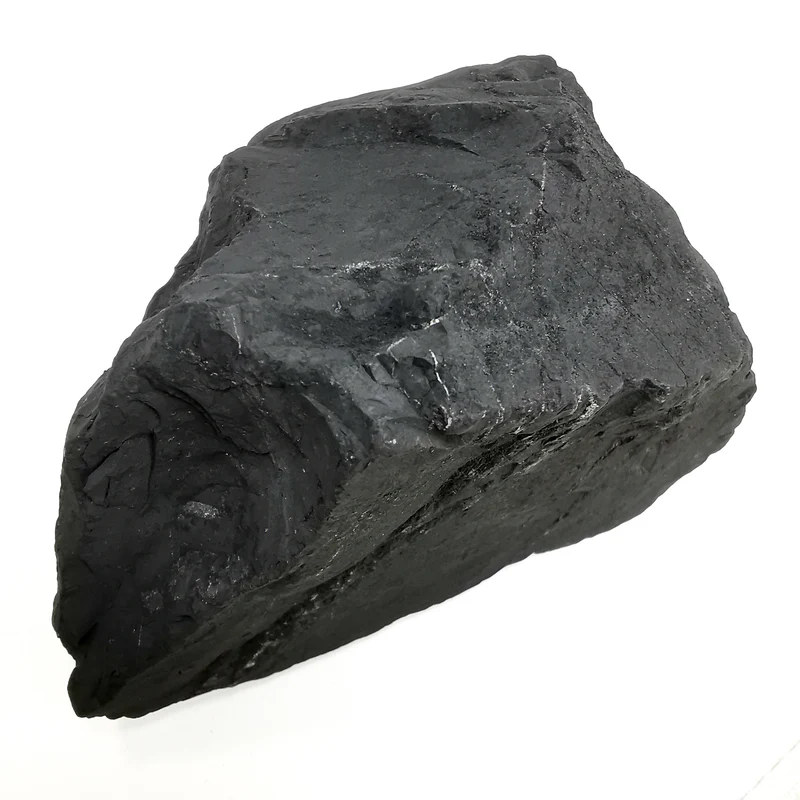
SPECIMEN 54 / Carbon-rich rock
Shungite
Shungite is a name for carbon-rich rock. A single carbon or fullerene formula cannot represent the whole rock or establish the composition of a supplied piece.
- Composition
- Carbon plus variable minerals
- Hardness · Mohs
- Varies by composition
- Reported reference locality
- Russia
Localities are reference information, not verified provenance for your individual piece.
Trade labels can cover different materials. The photo and name alone cannot confirm mineral identity, composition or treatment.
A visual comparison guide, not a laboratory identification.
55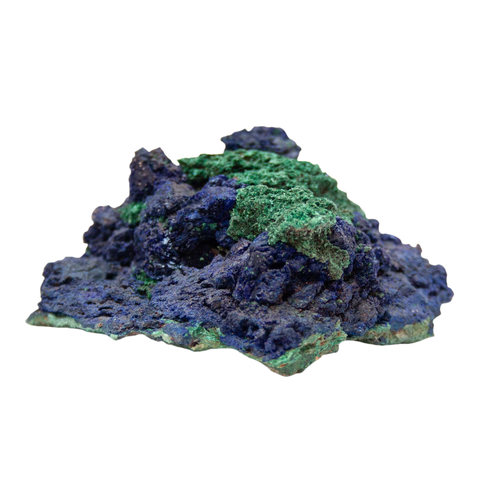
Azurite
Copper carbonate hydroxide
Azurite
Copper carbonate hydroxide

SPECIMEN 55 / Copper carbonate hydroxide
Azurite
Azurite is a deep blue copper mineral. It can occur alongside green malachite, creating strong colour contrasts in one specimen.
- Composition
- Cu₃(CO₃)₂(OH)₂
- Hardness · Mohs
- 3.5–4
- Documented mineral localities (examples)
- France, Italy, Mexico, USA, Namibia
Localities are reference information, not verified provenance for your individual piece.
Read the reference
Handbook of Mineralogy · AzuriteA visual comparison guide, not a laboratory identification.
56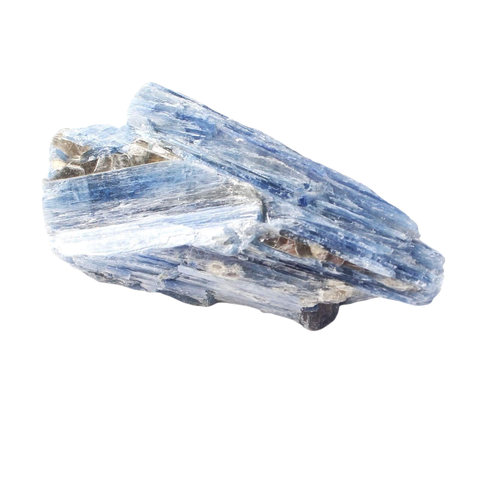
Kyanite
Aluminium silicate
Kyanite
Aluminium silicate

SPECIMEN 56 / Aluminium silicate
Kyanite
Kyanite often forms long, blade-like crystals. Its hardness varies with crystal direction, so one number does not fully describe it.
- Composition
- Al₂SiO₅
- Hardness · Mohs
- About 5.5 to 7, depending on direction
- Documented mineral localities (examples)
- Austria, Norway, Italy, Switzerland, Brazil
Localities are reference information, not verified provenance for your individual piece.
Read the reference
Handbook of Mineralogy · KyaniteA visual comparison guide, not a laboratory identification.
57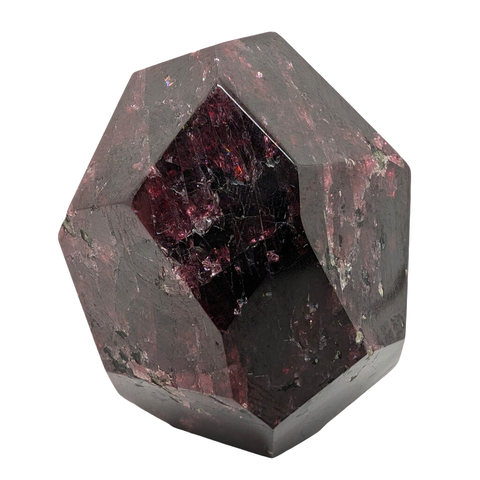
Garnet
Garnet-group mineral
Garnet
Garnet-group mineral
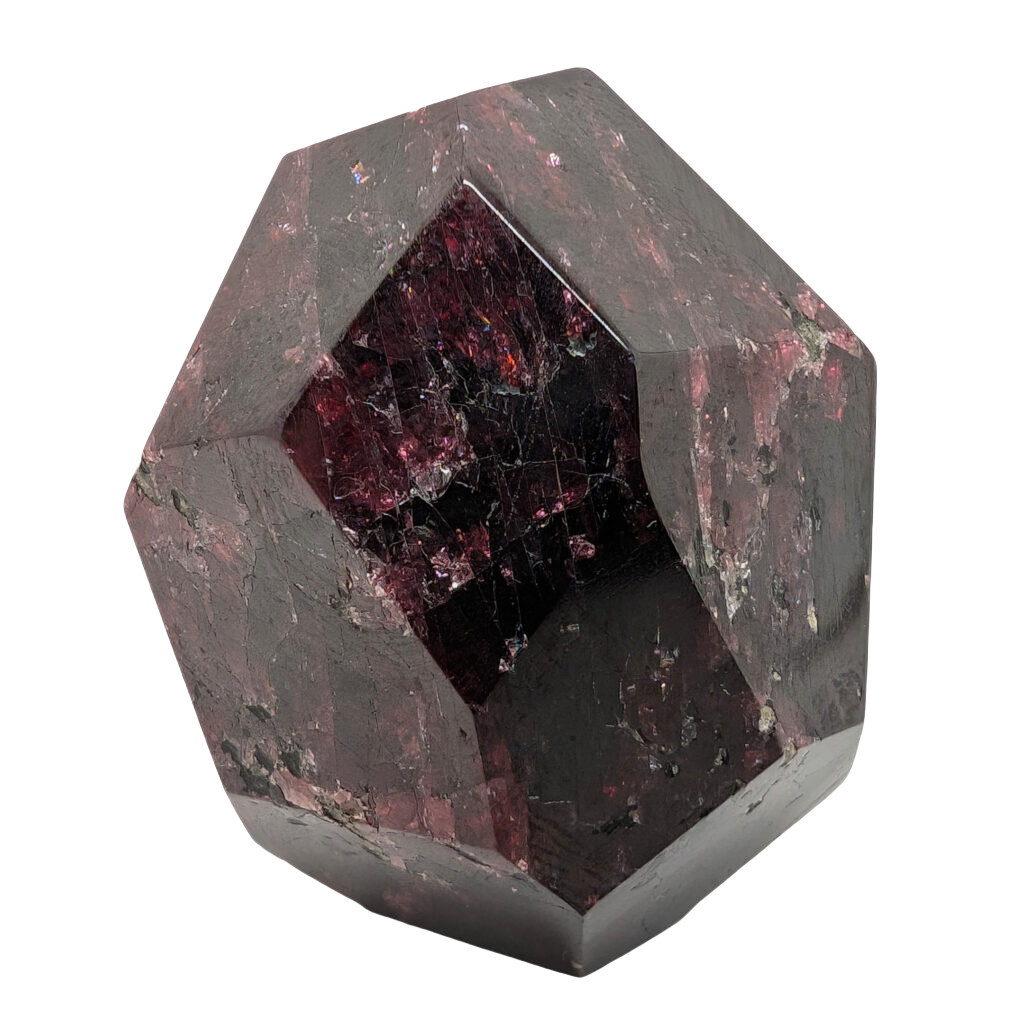
SPECIMEN 57 / Garnet-group mineral
Garnet
Garnet is a group of minerals with related structures. Red is familiar, but garnets occur in other colours and do not all share one chemical formula.
- Composition
- X₃Y₂(SiO₄)₃; elements vary by species
- Hardness · Mohs
- 6.5–7.5
- Reported reference locality
- Madagascar
Localities are reference information, not verified provenance for your individual piece.
Read the reference
GIA · GarnetA visual comparison guide, not a laboratory identification.
58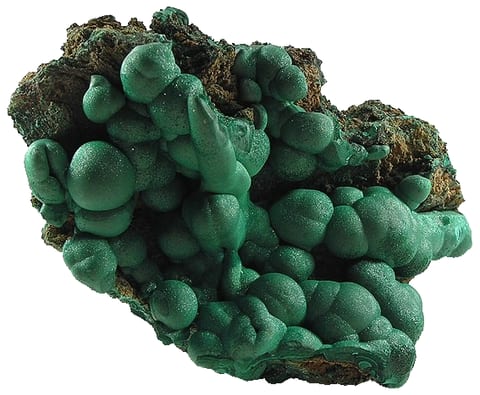
Malachite
Copper carbonate hydroxide
Malachite
Copper carbonate hydroxide

Photo: Rob Lavinsky, iRocks.com
CC BY-SA 3.0 · Background removed with an AI-assisted mask and image cropped; original specimen colours and texture retained. JPEG previews resized and compressed; transparent PNG available via full-size link. Adapted images retain the source licence.
SPECIMEN 58 / Copper carbonate hydroxide
Malachite
Malachite is a green copper mineral. Bands and rounded growth patterns are common, though the appearance depends on how a specimen is exposed or finished.
- Composition
- Cu₂(CO₃)(OH)₂
- Hardness · Mohs
- 3.5–4
- Documented mineral localities (examples)
- France, Mexico, USA, Namibia, Australia
Localities are reference information, not verified provenance for your individual piece.
Read the reference
Handbook of Mineralogy · MalachiteA visual comparison guide, not a laboratory identification.
59
Kunzite
Spodumene variety
Kunzite
Spodumene variety
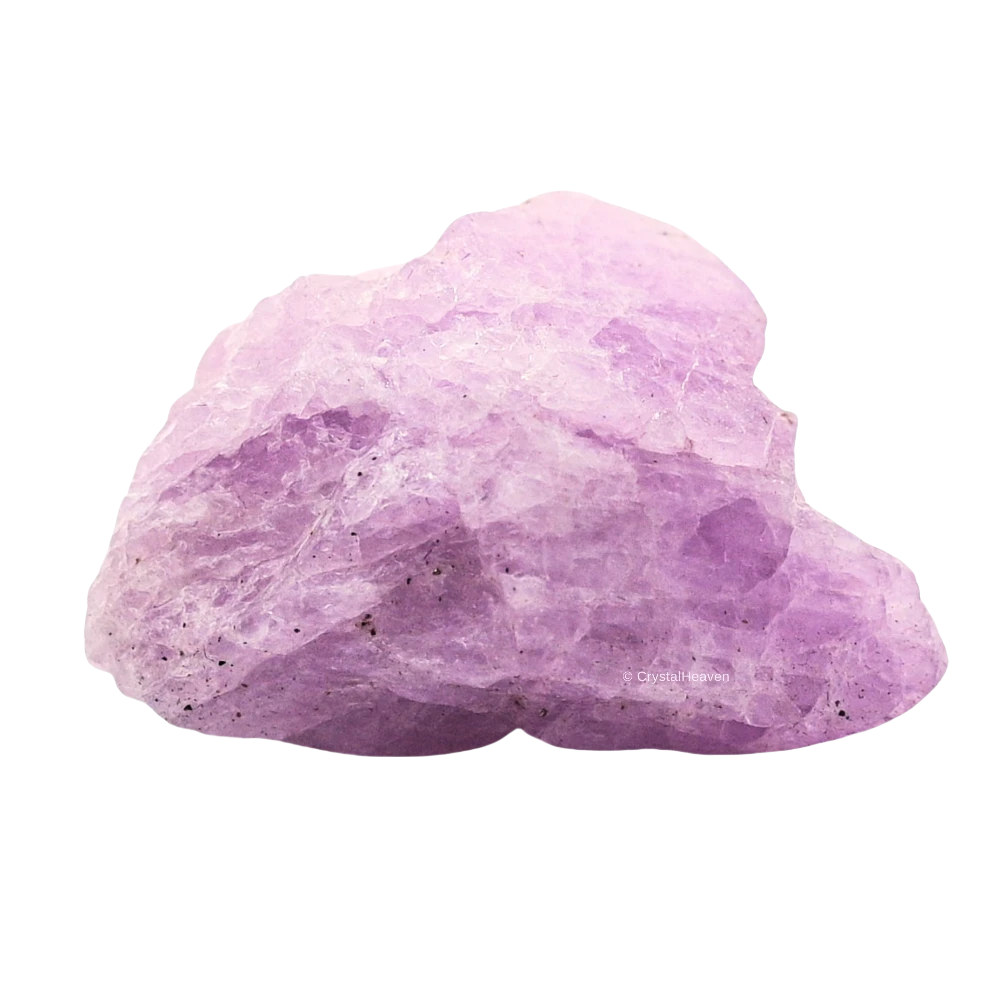
SPECIMEN 59 / Spodumene variety
Kunzite
Kunzite is pink to violet spodumene. Its colour can appear different with viewing direction, and it should be protected from prolonged strong light.
- Composition
- LiAlSi₂O₆
- Hardness · Mohs
- 6.5–7
- Reported reference locality
- Mozambique
Localities are reference information, not verified provenance for your individual piece.
Read the reference
GIA · KunziteA visual comparison guide, not a laboratory identification.
60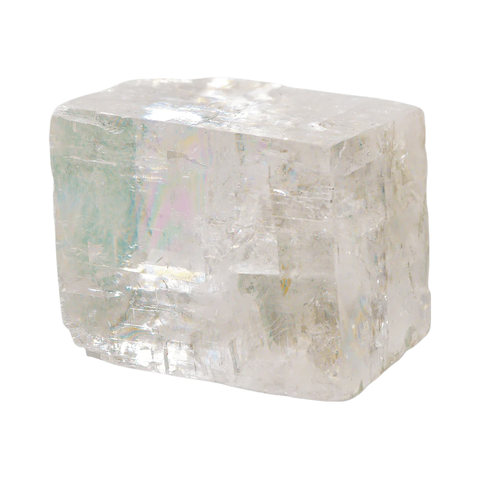
Iceland Spar
Transparent calcite
Iceland Spar
Transparent calcite
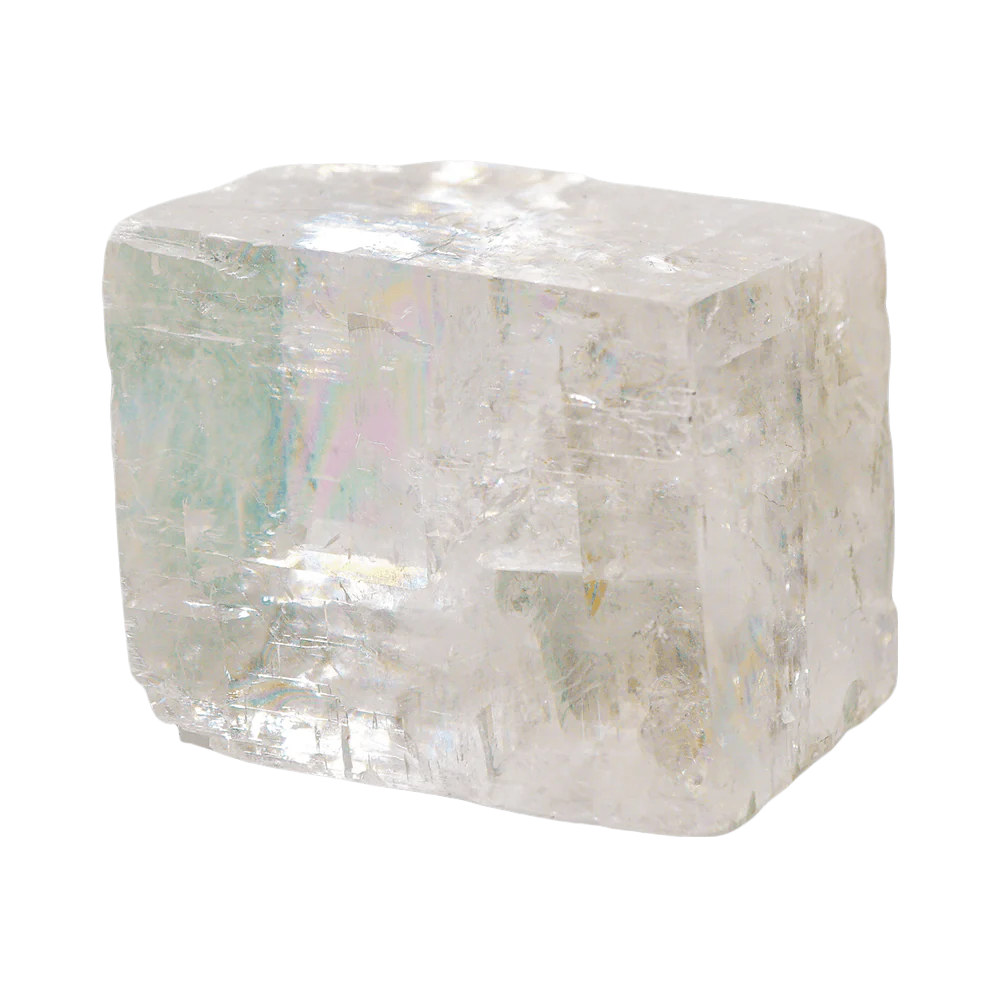
SPECIMEN 60 / Transparent calcite
Iceland Spar
Iceland spar is transparent calcite. Its strong double refraction can make an image seen through a clear piece appear doubled.
- Composition
- CaCO₃
- Hardness · Mohs
- 3
- Documented mineral localities (examples)
- Mexico, USA, Namibia, Russia, Germany
Localities are reference information, not verified provenance for your individual piece.
Read the reference
Handbook of Mineralogy · CalciteA visual comparison guide, not a laboratory identification.
61
Amethyst Cluster
Quartz crystal aggregate
Amethyst Cluster
Quartz crystal aggregate

SPECIMEN 61 / Quartz crystal aggregate
Amethyst Cluster
An amethyst cluster is a group of purple quartz crystals growing together. It is a growth form of amethyst, not a separate mineral species.
- Composition
- SiO₂
- Hardness · Mohs
- 7
- Reported reference locality
- Brazil
Localities are reference information, not verified provenance for your individual piece.
A visual comparison guide, not a laboratory identification.
62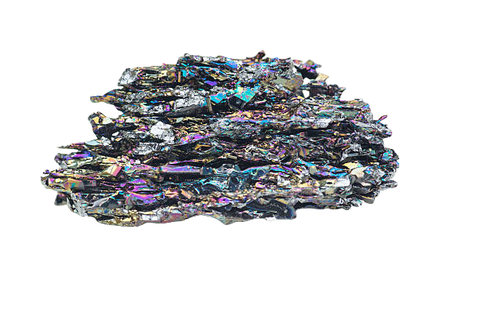
Carborundum
Manufactured silicon carbide
Carborundum
Manufactured silicon carbide
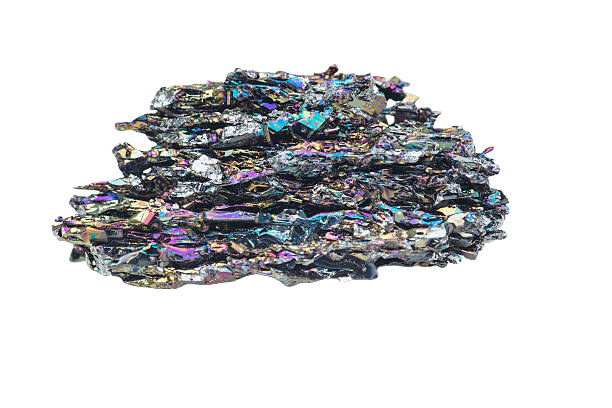
SPECIMEN 62 / Manufactured silicon carbide
Carborundum
Carborundum is silicon carbide. The large iridescent display clusters sold under this name are manufactured material, rather than ordinary natural crystal specimens.
- Composition
- SiC
- Hardness · Mohs
- About 9–9.5
- Production location in supplied list
- China
Localities are reference information, not verified provenance for your individual piece.
Manufactured or grown display material; not presented here as a naturally mined crystal.
Read the reference
Smithsonian · The development of carborundumA visual comparison guide, not a laboratory identification.
63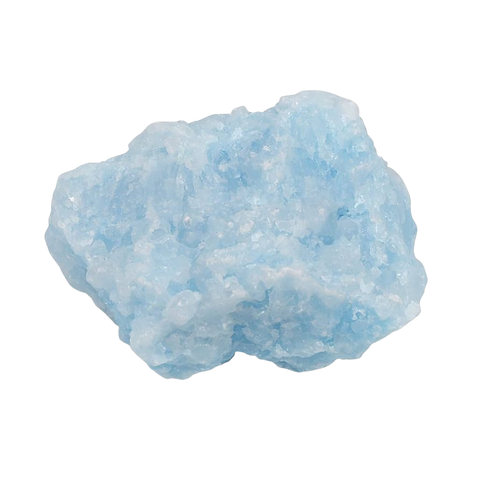
Blue Aragonite
Aragonite trade variety
Blue Aragonite
Aragonite trade variety
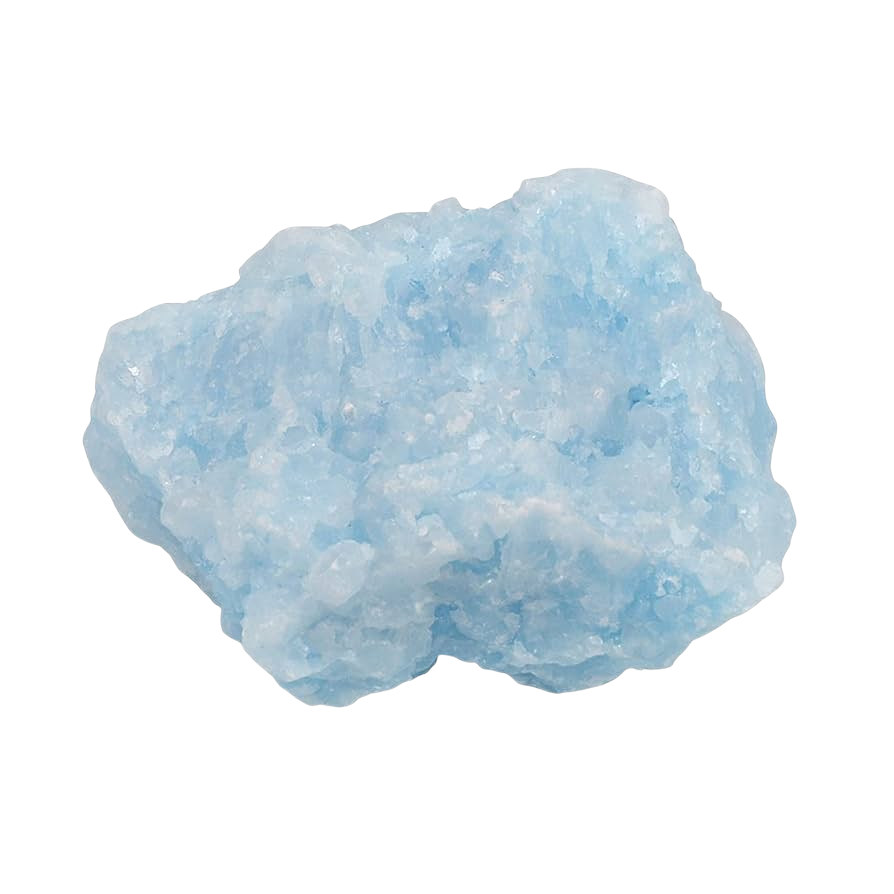
SPECIMEN 63 / Aragonite trade variety
Blue Aragonite
Blue Aragonite is a colour-based trade label. Aragonite’s mineral properties apply only after the material has been correctly identified.
- Composition
- CaCO₃ if identified as aragonite
- Hardness · Mohs
- 3.5–4 if aragonite
- Reported reference locality
- Morocco
Localities are reference information, not verified provenance for your individual piece.
Trade labels can cover different materials. The photo and name alone cannot confirm mineral identity, composition or treatment.
Read the reference
Handbook of Mineralogy · AragoniteA visual comparison guide, not a laboratory identification.
64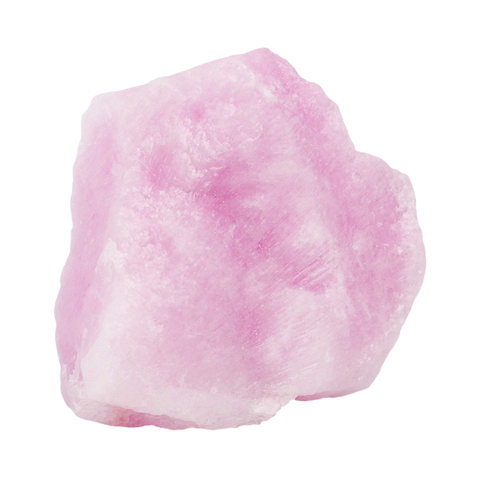
Pink Aragonite
Aragonite trade variety
Pink Aragonite
Aragonite trade variety

SPECIMEN 64 / Aragonite trade variety
Pink Aragonite
Pink Aragonite is a colour-based trade label. Similar-looking carbonate materials need more than colour alone for a reliable identification.
- Composition
- CaCO₃ if identified as aragonite
- Hardness · Mohs
- 3.5–4 if aragonite
- Reported reference locality
- Morocco
Localities are reference information, not verified provenance for your individual piece.
Trade labels can cover different materials. The photo and name alone cannot confirm mineral identity, composition or treatment.
Read the reference
Handbook of Mineralogy · AragoniteA visual comparison guide, not a laboratory identification.
65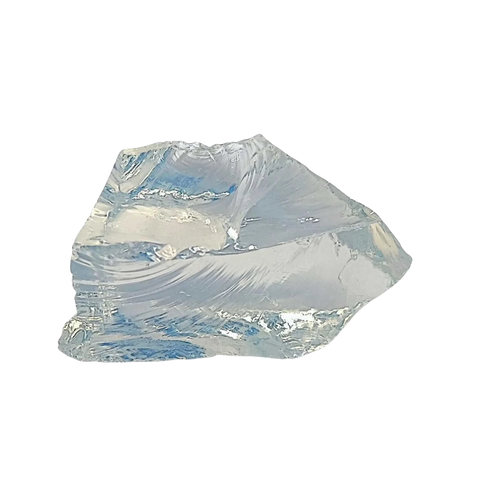
Opalite
Manufactured glass in this list
Opalite
Manufactured glass in this list

SPECIMEN 65 / Manufactured glass in this list
Opalite
The supplied list identifies this opalite as manufactured glass. Its milky glow does not make it natural opal or natural moonstone.
- Composition
- Glass; formulation varies
- Hardness · Mohs
- Varies by formulation
- Production location in supplied list
- China
Localities are reference information, not verified provenance for your individual piece.
Manufactured or grown display material; not presented here as a naturally mined crystal.
Read the reference
GIA · GlassA visual comparison guide, not a laboratory identification.
66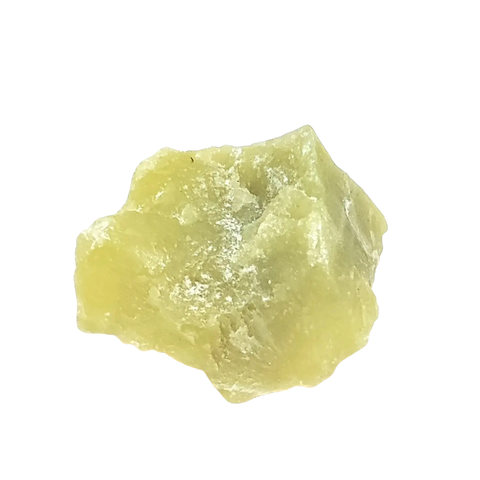
Lemon Jade
Trade-name material
Lemon Jade
Trade-name material

SPECIMEN 66 / Trade-name material
Lemon Jade
Lemon Jade is a commercial colour name. It does not by itself confirm jadeite or nephrite; the mineral identity should be stated by the supplier.
- Composition
- Identity not established by the name
- Hardness · Mohs
- Not established
- Reported reference locality
- China
Localities are reference information, not verified provenance for your individual piece.
Trade labels can cover different materials. The photo and name alone cannot confirm mineral identity, composition or treatment.
Read the reference
GIA · JadeA visual comparison guide, not a laboratory identification.
67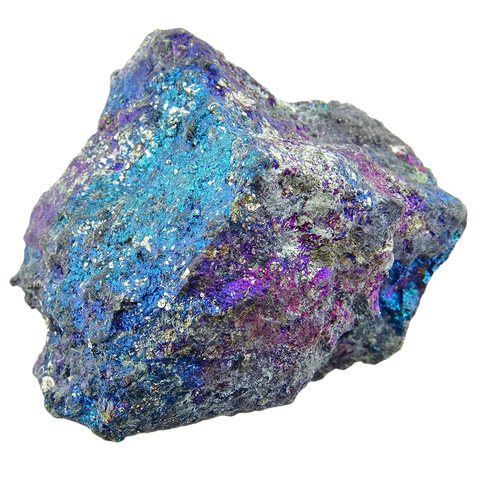
Bornite
Copper iron sulfide
Bornite
Copper iron sulfide
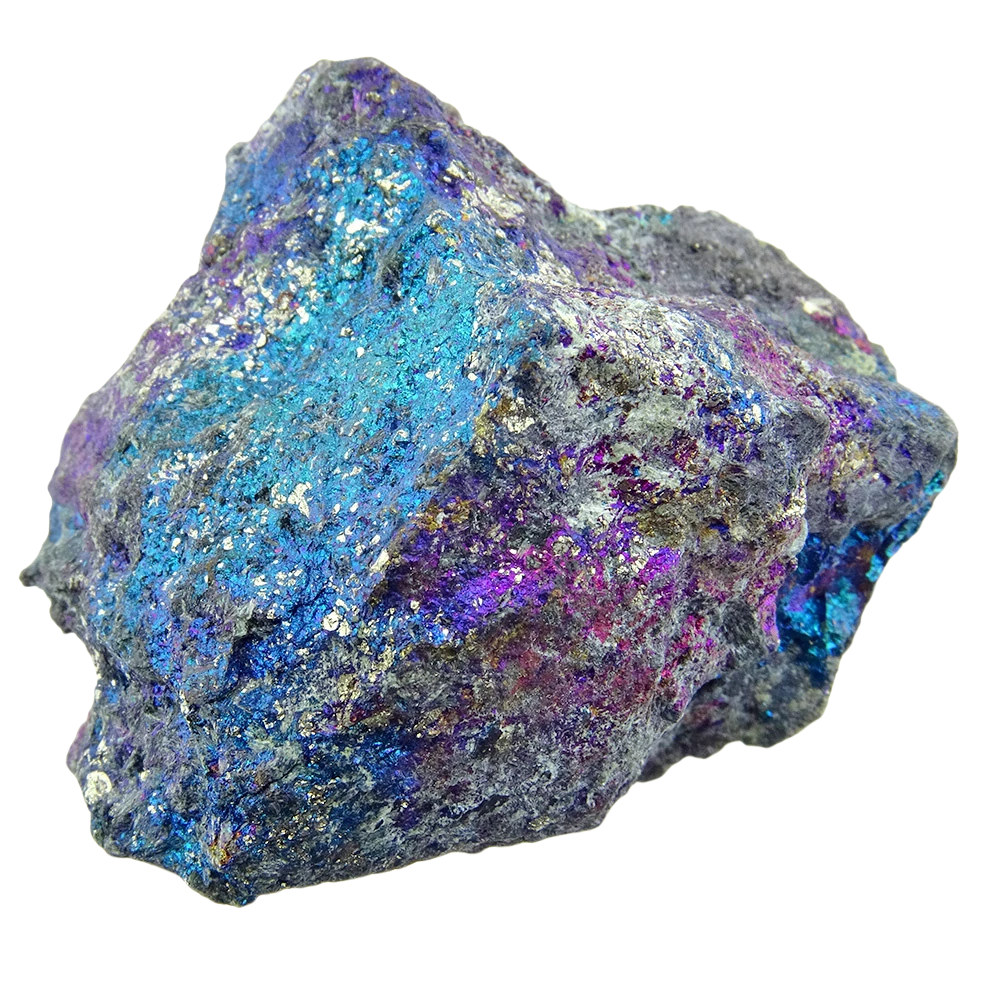
SPECIMEN 67 / Copper iron sulfide
Bornite
Bornite can develop colourful tarnish. Peacock Ore is also used for other, sometimes treated, sulfides, so an iridescent surface does not prove that a piece is bornite.
- Composition
- Cu₅FeS₄
- Hardness · Mohs
- 3–3.25
- Documented mineral localities (examples)
- Austria, USA, Australia, England, South Africa
Localities are reference information, not verified provenance for your individual piece.
Trade labels can cover different materials. The photo and name alone cannot confirm mineral identity, composition or treatment.
Read the reference
Handbook of Mineralogy · BorniteA visual comparison guide, not a laboratory identification.
68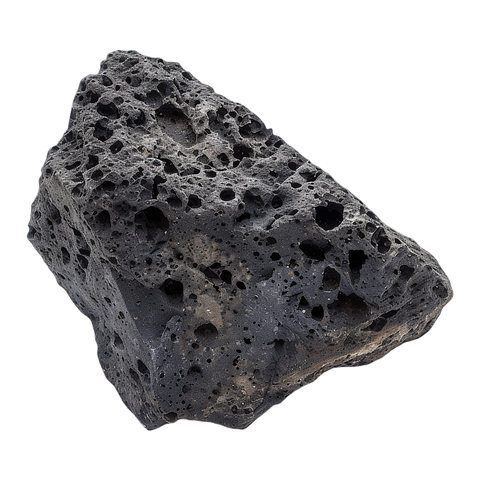
Lava Stone
Volcanic rock
Lava Stone
Volcanic rock

SPECIMEN 68 / Volcanic rock
Lava Stone
Lava Stone is a broad name for volcanic rock. Gas bubbles can leave visible holes, but a porous texture alone does not specify an exact rock composition.
- Composition
- Variable mineral mixture
- Hardness · Mohs
- Not one fixed value
- Reported reference locality
- China
Localities are reference information, not verified provenance for your individual piece.
Read the reference
USGS · Rock identificationA visual comparison guide, not a laboratory identification.
69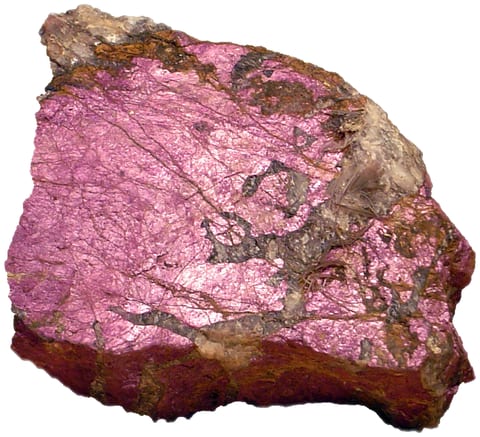
Purpurite
Phosphate mineral
Purpurite
Phosphate mineral

Photo: Dave Dyet
Public domain · Background removed with an AI-assisted mask and image cropped; original specimen colours and texture retained. JPEG previews resized and compressed; transparent PNG available via full-size link. Adapted images retain the source licence.
SPECIMEN 69 / Phosphate mineral
Purpurite
Purpurite is a manganese-rich phosphate that can appear purple. Its colour and associated minerals vary between specimens.
- Composition
- (Mn,Fe)PO₄
- Hardness · Mohs
- 4–4.5
- Documented mineral localities (examples)
- France, USA, Namibia, Australia, Sweden
Localities are reference information, not verified provenance for your individual piece.
Read the reference
Handbook of Mineralogy · PurpuriteA visual comparison guide, not a laboratory identification.
70NEW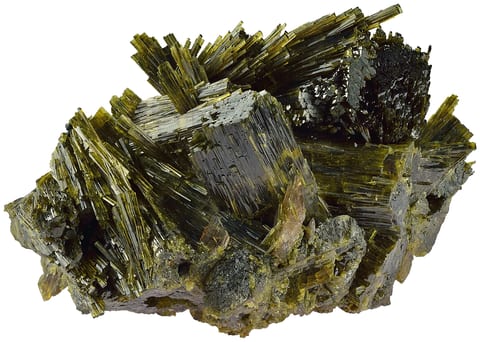
Epidote
Epidote-group silicate
Epidote
Epidote-group silicate

Photo: Ivar Leidus
CC BY-SA 4.0 · Background removed with an AI-assisted mask and image cropped; original specimen colours and texture retained. JPEG previews resized and compressed; transparent PNG available via full-size link. Adapted images retain the source licence.
SPECIMEN 70 / Epidote-group silicate
Epidote
Epidote is a calcium-aluminium-iron silicate, often pistachio green. Prismatic crystals may have lengthwise grooves; granular or massive pieces can lack obvious crystal faces.
- Composition
- Ca₂Al₂(Fe³⁺,Al)(SiO₄)(Si₂O₇)O(OH)
- Hardness · Mohs
- 6–7
- Documented example localities
- Austria, France, Norway, Italy, USA, Pakistan and Namibia
Localities are reference information, not verified provenance for your individual piece.
The reference photograph shows an epidote specimen from Canta, Lima, Peru. This is the photograph’s locality, not verified provenance for your supplied piece.
Read the reference
Handbook of Mineralogy · EpidoteA visual comparison guide, not a laboratory identification.
No matching specimens
Try the number on your card, a shorter name, or another colour.
A GOOD PLACE TO START
Look closer.
Learn a little more.
Use your card as a starting point. Compare colour, texture and overall form in ordinary daylight.
Need help with your collection? ↗Why does my stone look different from the photo?
Natural pieces vary in shade, texture, inclusions and shape. Rough and polished surfaces can also look different. Photographs are examples, not an exact picture of what is in every set.
Does my set include every specimen in this guide?
No. Sets contain a random selection from the possible varieties. Match the names and numbers on your printed card. Entry 70, Epidote, is a new addition to the online guide and may not appear on earlier cards.
Are all entries natural minerals?
No. The guide distinguishes minerals, rocks, fossils, trade-name materials and manufactured specimens. Bismuth display crystals, carborundum and the opalite in the supplied list are identified separately. A commercial name alone does not verify a material’s identity or treatment.
What do the formula and hardness tell me?
A formula describes chemical composition. Rocks and mixed materials may have no single formula. Mohs hardness compares scratch resistance; it does not measure toughness. These values are educational references, not instructions to scratch, heat or break your specimens.
How should I handle the specimens?
Keep small parts out of young children’s reach. Do not put specimens in the mouth or in food or drinks. Handle edges gently, avoid dust, and wash hands after handling. Do not heat, grind or perform chemical tests. Keep specimens dry unless material-specific care instructions say otherwise.
Where does the information come from?
Short descriptions were independently written using the supplied reference list and mineralogical references. Individual entries link to relevant GIA, Handbook of Mineralogy or museum sources where available. Trade names and uncertain material identities are flagged. Locality details in the supplied list are not proof of this product’s origin.
Photograph credits & licences
Reference photographs show example specimens. Their locality and appearance do not certify your individual piece.
- 48 Ammonite — Fred Cherrygarden · CC BY-SA 4.0 · Background removed with an AI-assisted mask and image cropped; original specimen colours and texture retained. JPEG previews resized and compressed; transparent PNG available via full-size link. Adapted images retain the source licence.
- 58 Malachite — Rob Lavinsky, iRocks.com · CC BY-SA 3.0 · Background removed with an AI-assisted mask and image cropped; original specimen colours and texture retained. JPEG previews resized and compressed; transparent PNG available via full-size link. Adapted images retain the source licence.
- 69 Purpurite — Dave Dyet · Public domain · Background removed with an AI-assisted mask and image cropped; original specimen colours and texture retained. JPEG previews resized and compressed; transparent PNG available via full-size link. Adapted images retain the source licence.
- 70 Epidote — Ivar Leidus · CC BY-SA 4.0 · Background removed with an AI-assisted mask and image cropped; original specimen colours and texture retained. JPEG previews resized and compressed; transparent PNG available via full-size link. Adapted images retain the source licence.